

VHIO cordinates the EU-funded PragmaTIL project. funded by the EU. The initiative brings together 12 institutions from 6 countries with the aim of optimizing the treatment of patients with refractory tumors through new cell therapies in clinical trials, reducing toxicity without compromising efficacy.
The first clinical trial of the PragmaTIL project has been approved by the European Medicines Agency at VHIO, where the first patient has already been treated with a new TIL-based therapeutic strategy.
Alongside Vall d’Hebron, Herlev Hospital in Denmark has received the green light for this clinical trial, and in this first phase, the Netherlands Cancer Institute (NKI) is also expected to join. Later, the Karolinska Institute in Sweden and the Sheba Medical Center in Israel will be incorporated. For the first time in Europe, each center participating in the trial will independently produce its own TILs, following a unified clinical protocol.his project aims to optimise treatment for patients with refractory tumours through clinical trials of new cell therapies, reducing toxicity while maintaining efficacy.
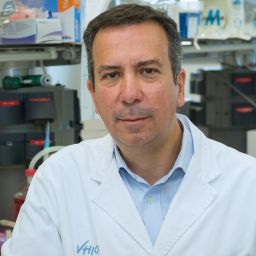
The Research Unit for Molecular Therapy of Cancer ( (UITM-CaixaResearch) at VHIO, led by Dr Elena Garralda has treated the first patient in the PragmaTIL clinical trial—an EU-funded project aimed at exploring new approaches to TIL-based cell therapy to reduce toxicity while preserving treatment efficacy in patients with melanoma, lung cancer, and cervical cancer.
The immunotherapy revolution
Over the past two decades, the emergence of immunotherapy has led to a paradigm shift in oncology treatment and enormous benefits for patients. ‘However, currently, only a proportion of patients treated with immune checkpoint inhibitors respond, and some of them also experience autoimmune-related adverse events. Therefore, there is a clinical need to personalise and develop new immunotherapies,’ explains Dr Elena Garralda, coordinator of the European PragmaTIL project and director of the Research Unit for Molecular Therapy of Cancer (UITM)-CaixaResearch at VHIO.
In the field of cancer, advanced therapies aim to redirect the patient’s immune system, specifically against tumour cells, to eliminate them effectively, thus strengthening the patient’s defences against the tumour.
What is TIL therapy?
TILs are tumour-infiltrating lymphocytes. In TIL therapy, lymphocytes are extracted directly from the patient’s tumour, using either a biopsy or surgical material as the starting point. These tumour-infiltrating lymphocytes (TILs) are capable of recognising tumour cells, although, for some reason, they are deactivated in the tumour environment and do not attack them. The lymphocytes extracted from the tumour (TILs) are activated and expanded in the laboratory, then reinfused into the patient to act more effectively by attacking and destroying the tumour cells.
The current standard treatment for patients undergoing TIL therapy causes significant toxicity, partly due to the prior chemotherapy (required to eliminate the patient’s circulating lymphocytes) and the subsequent treatment with interleukin-2 (IL-2), which enhances the growth and activity of the infiltrating lymphocytes but can trigger an excessive immune response known as a cytokine storm.
Reducing toxicity while maintaining efficacy
‘One of the aims of research into advanced therapies is to develop and evaluate modified interleukin-2 molecules to reduce treatment toxicity and improve patients’ quality of life during therapy,’ explains Dr Elena Garralda. ‘In this context, the PragmaTIL trial will compare standard high-dose IL-2 therapy with the drug ANV419, a modified IL-2 developed by the biopharmaceutical company Anaveon. This molecule is designed to minimise the toxic side effects associated with traditional IL-2 therapy in patients with melanoma, lung cancer, and cervical cancer.
The trial will be divided into two groups: one group of patients will receive standard high-dose IL-2, while the other will receive ANV419. This comparison aims to determine whether the modified IL-2 can reduce treatment toxicity while maintaining therapeutic efficacy, potentially improving patient outcomes. The innovative biopharmaceutical IL-2 analogue may represent a major breakthrough in making TIL cell therapy safer and more tolerable for patients.
A single protocol for all participating centres
‘For the first time in Europe, each centre involved in the PragmaTIL trial will independently produce its own tumour-infiltrating lymphocytes (TILs) under the same clinical protocol, marking a significant milestone in cancer research. This decentralised approach to the production and administration of TILs sets a new precedent for clinical trials across multiple academic hospitals,’ says Dr Silvia Martín-Lluesma, Head of the Advanced Therapies Programme at VHIO and member of the European PragmaTIL project.
In addition to clinical procedures, the protocol outlines key aspects such as data collection, patient involvement, and the assessment of quality of life (QoL) during the trial.
‘From a logistical perspective, each hospital will manage its own processes for TIL production and patient treatment, providing a unique regulatory framework for multicentre trials conducted in academic settings,’ she adds.
Patient involvement: a key element of the PragmaTIL project
The PragmaTIL project is structured into different work packages that cover everything from the development of the clinical trial to patient involvement—an area led by the Gustave Roussy Institute in France and the ”la Caixa” Foundation, with support from IrsiCaixa’s Living Lab for Health.
“Patient involvement is essential for the PragmaTIL project,” says Dr. Garralda. “From the beginning, a Patient Advisory Committee was established to incorporate their input into the protocol design. Patient-reported outcomes, including their experience with toxicity and quality of life, are one of the core elements of the study. This empowers patients and enhances their participation in the clinical process.”
The living lab approach applied in PragmaTIL focuses on conducting research that is closer to “real life,” working side by side with end users. Patient participation in medical research is crucial, although still uncommon. Trials that involve patients throughout the entire process—like PragmaTIL—are rare. Allowing patients to participate from the earliest stages in the development of the clinical trial protocol opens the door to useful and valuable insights for research, as no one knows better than the patients themselves what is important to them, what benefits they seek, and what they truly need.