

Driving advanced molecular diagnostics against cancer
Supported by FERO’s Institutional Advanced Molecular Diagnostics Program (DIAMAV), VHIO’s Molecular Prescreening Program has become a cornerstone of precision medicine at our institution. Over the past decade, the program has provided access to advanced molecular diagnostics for more than 12,000 cancer patients, playing a critical role in matching patients to targeted therapies through VHIO’s extensive portfolio of clinical trials.
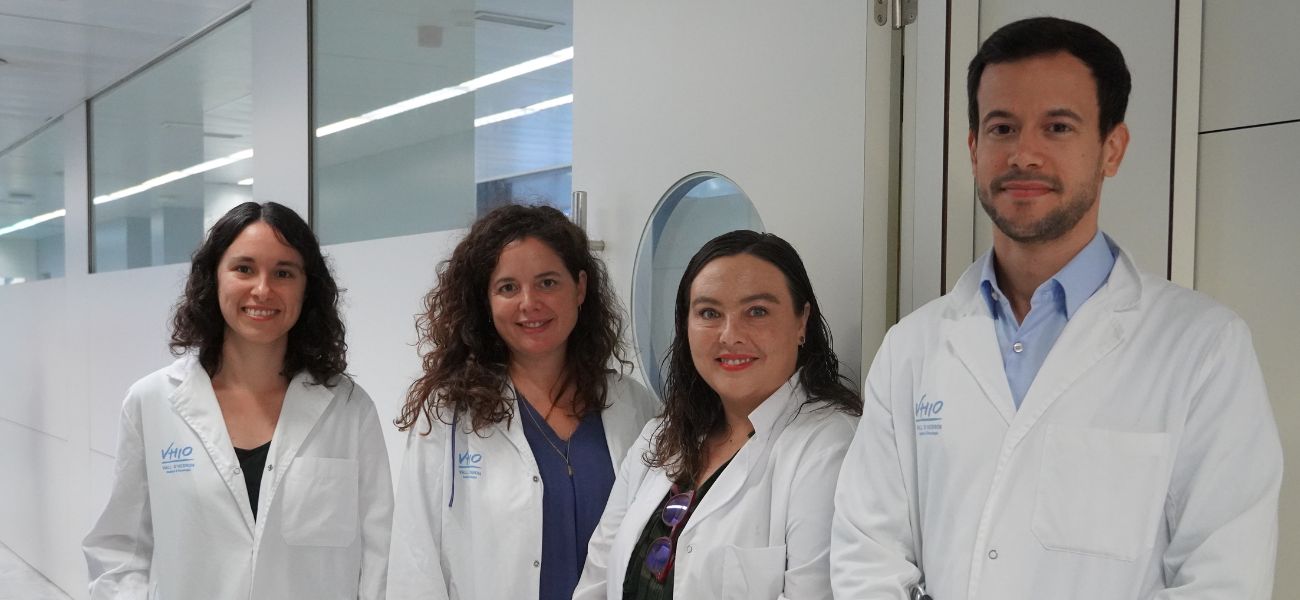
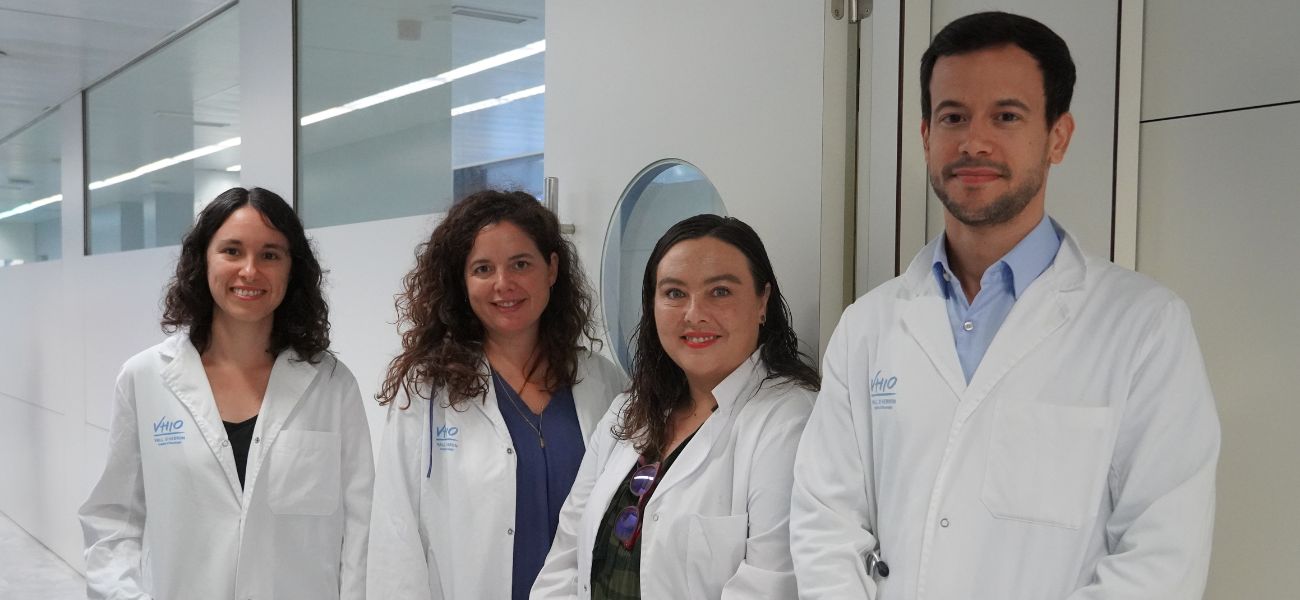
The program is developed in close collaboration with the Research Unit for Molecular Therapy of Cancer (UITM) – CaixaResearch, co-led by VHIO Principal Investigators Ana Vivancos, Paolo Nuciforo, Elena Garralda, and Rodrigo Dienstmann. Coordination is provided by Susana Aguilar, Head of the VHIOTECA Unit.
Our multidisciplinary team specializes in the clinical implementation of advanced molecular diagnostics to optimize therapy selection for patients considered for clinical trial enrolment. By integrating molecular and pathological profiling, we identify actionable alterations and molecular risk factors that guide treatment decisions and trial eligibility within VHIO’s UITM – CaixaResearch.
FERO’s continued support has been instrumental in expanding patient access to cutting-edge molecular technologies, accelerating the implementation of liquid biopsy approaches, and strengthening VHIO’s leadership in early cancer detection and precision oncology.

To further support precision medicine, VHIO launched a monthly Molecular Tumor Board (MTB), where clinicians, molecular biologists, pathologists, and researchers review complex cancer cases together.
During these sessions, somatic next-generation sequencing (NGS) results and other relevant biomarkers are evaluated within the clinicopathological context of each patient. Discussions are complemented by focused literature reviews to assess the clinical actionability of detected alterations. Two cases are reviewed per session, reinforcing structured, evidence-based decision-making and personalized treatment strategies.
The program also contributes to continued medical education in emerging cancer biomarkers, supporting the broader implementation of precision oncology.
Thanks to FERO’s support, VHIO’s Molecular Prescreening Program has consolidated its position as a European reference center in oncogenomics.
In 2025 alone, molecular profiling was performed in 2,529 patients across multiple tumor types — more than double the annual average recorded between 2014 and 2022, when approximately 1,100 cases were analyzed each year.
Since 2023, VHIO has implemented VHIO360, a liquid biopsy platform developed in partnership with Guardant Health. In 2025, 1,512 patients underwent testing using this technology.
Initially introduced for patients with insufficient tissue samples, VHIO360 is now also routinely used to monitor emerging driver alterations associated with disease progression, enabling more dynamic and minimally invasive disease monitoring.
To further strengthen diagnostic capabilities, VHIO’s Cancer Genomics Group replaced the NanoString platform with RNA sequencing technologies. Introduced as the Epsilon test in late 2023 and adopted as the reference RNA-based assay in 2024, this approach significantly improves the detection of gene fusions and gene-expression alterations.
These advances are particularly important for identifying increasingly actionable biomarkers with very low prevalence — including gene fusions affecting fewer than 2% of patients — helping expand access to precision therapies.
In parallel, VHIO initiated the development of a digital pathology biorepository integrating imaging, genomic, transcriptomic, and proteomic data to support next-generation biomarker discovery and multimodal cancer research.
In 2025, VHIO implemented a new automated data management and notification system for molecular prescreening results. By integrating pathology and genomics test orders, reporting workflows, and clinician alerts into a unified SQL-based platform, the program significantly improved efficiency, traceability, and real-time communication across clinical and research teams.
This integration was achieved through close collaboration between VHIO’s Oncology Data Science (OdysSey) Group and the Data Engineering for Research Unit (DERU), reinforcing VHIO’s commitment to data-driven precision oncology.
Related News