

Targeting Cancer Persistence (co-leader: Isabel Puig)
We study the biology of slow-cycling and drug-tolerant persister cells (DTPs), as seeds of chemoresistance, minimal residual disease, and tumour relapse. Our work identified a key epigenetic network that regulates the slow-cycling phenotype of pre-existing tumour cells, characterized by reduced proliferation and an enhanced ability to survive anticancer treatments (Puig et al., J Clin Invest, 2018).
Characterization of this network led to the identification of TET2 as a therapeutic target involved in the maintenance of slow-cycling-associated non-genetic resistance and enabled the development of allosteric modulators of this enzyme for the treatment of refractory cancers. These discoveries generated intellectual property that was transferred to the biotechnology sector and ultimately led to the founding of ONIRIA Therapeutics, a VHIO spin-off focused on developing innovative therapies targeting non-genetic resistance mechanisms (https://www.oniriatherapeutics.com/).
The success of this translational strategy has established our experimental system as a discovery platform for uncovering new therapeutic opportunities. We currently use this platform to identify and validate novel vulnerabilities associated with non-genetic resistance, with the ultimate goal of developing more effective treatments for therapy-refractory tumours.
Cancer and the Immune System
TET2, Immune Ageing and Clonal Hematopoiesis
Building on our identification of TET2 as a druggable epigenetic regulator, this research line investigates the role of TET2 in immune homeostasis, inflammation, and age-associated diseases. Beyond its function in tumour cells, TET2 is a key regulator of DNA hydroxymethylation in haematopoietic and immune cells, where it controls myeloid differentiation, inflammatory responses, and immune cell activation.
Reduced TET2 activity is strongly associated with clonal haematopoiesis of indeterminate potential (CHIP), a common age-related condition characterized by the expansion of mutant haematopoietic clones that promote chronic inflammation and increase the risk of cancer, cardiovascular disease, haematological malignancies, and other ageing-associated disorders.
TET2 function is also crucial for the anti-tumoral activity of different population of immune cells. In response, we are evaluating whether pharmacological activation of TET2 using a small drug agonist can restore epigenetic homeostasis and reverse dysfunctional inflammatory programmes associated with ageing, CHIP and cancer. These complex studies are developed through strategic collaborations with leading national and international researchers in CNIO, CNIC, IJC, UCLA, and La Jolla Institute for Immunology. These studies focus on understanding how TET2 activation influences myeloid cell function, macrophage-mediated inflammation, and immune fitness, while also exploring its potential impact on cancer-associated inflammation and anti-tumour immune responses.
Our long-term goal is to determine whether TET2 agonists can be developed as a new therapeutic strategy to modulate immune dysfunction in ageing-related diseases and potentially improve immune surveillance in cancer.
Immuno-oncology. TCR-T cells immunotherapy project in collaboration with Astrazeneca (co-leader: Jordi Martínez-Quintanilla)
We aim to evaluate TCR-T cell therapies using patient-derived preclinical models. To achieve this, we are collecting colorectal cancer (CRC) tumor samples and sequencing the tumor-infiltrating T-cell receptor (TCR) repertoire. We then characterize the identified TCRs and optimize functional assays to assess the reactivity of TCR-engineered T cells in autologous CRC preclinical models established in our laboratory, including patient-derived organoids (PDOs) and patient-derived xenografts (PDXs).
Resistance to Targeted Therapies
We investigate the mechanisms that enable tumour cells to adapt and persist during treatment with targeted therapies in colorectal cancer, with a particular focus on oncogenic KRAS and BRAF-driven signalling. Our goal is to understand how tumour cells survive pathway inhibition and eventually give rise to resistant disease.
Our recent studies have shown that resistance to BRAFmut inhibitors is not solely driven by tumour cell-intrinsic mechanisms but also on extensive therapy-induced remodelling of tumour microenvironment. This process involves mucinous differentiation of tumour cells, extracellular matrix reorganization, and the recruitment of activated fibroblasts, immune cells, and blood vessels, collectively creating a permissive niche for tumour persistence and therapeutic evasion.
Using patient-derived models and clinical samples, we investigate how interactions between tumour cells and their microenvironment contribute to persistence to BRAF or KRAS inhibitory treatments and identify rational combinations aimed at delaying or preventing resistance. Some of our key discoveries in these fields are currently being evaluated in academic clinical trials in collaboration with VHIO´s oncologists’ experts in refractory mCRC.
Advanced Preclinical Models of Cancer (co-leader: Jordi Martínez-Quintanilla)
We are expanding our collection of patient-derived preclinical models established from colorectal cancer and from pseudomyxoma peritonei, including patient-derived organoids (PDOs) and patient-derived xenografts (PDXs) and PDX organoids (PDXOs) to evaluate drug efficacy, resistance mechanisms, and metastatic potential using orthotopic injection and live imaging approaches (positron emission tomography, computed tomography, and ultrasound) (Puig et al., Clin Cancer Res, 2013; Martínez-Quintanilla et al., Clin Cancer Res, 2024). Our collection of CRC models includes more than 400 cases, most of them molecularly characterized by WES and RNAseq and annotated for their valuable clinical information. This collection recapitulates the population heterogeneity in CRC and is the base of numerous translational internal projects and strategic collaborations in European consortia and pharmaceutical industry.
Response to Targeted Treatments (co-leader: Jordi Martínez-Quintanilla)
We collaborate with oncologists and partners in the pharmaceutical industry to identify molecular mechanisms that determine sensitivity or resistance to drugs that block signalling pathways such as Wnt/beta-catenin, Notch, PI3K/AKT, EGFR/LGR5, BRAF/MEK/ERK, CDKs, or Hippo (Tenbaum et al., Nat Med, 2012; Puig et al., Clin Cancer Res, 2013; Arqués et al., Clin Cancer Res, 2016; Capdevila et al., Clin Cancer Res, 2020; Lehal et al., Proc Natl Acad Sci, 2020; Harmstron et al., Cancer Res, 2021; Herpers et al., Nat Cancer, 2022; Renner et al., Mol Cancer Ther, 2026) or KRAS (Martínez-Quintanilla et al., Clin Cancer Res, 2024; Centonze et al., Cancer Discov, 2026).
Based on our findings, we are defining the molecular profile of tumours associated with sensitivity to each drug for an accurate patient enrolment in clinical trials. Importantly, our findings are guiding rational combinations of drugs to treat patients with refractory disease in academic clinical trials.
Research Line led by Isabel Puig
Drug-Tolerant Persister Cells in Chemotherapy
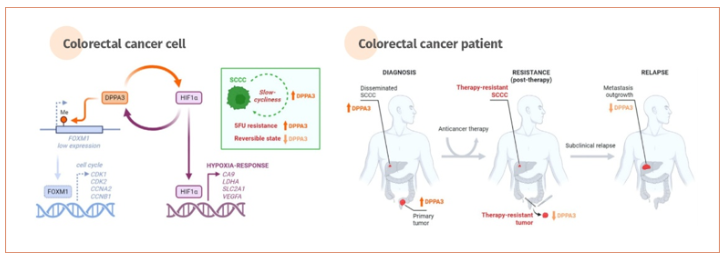
Building on our previous studies of slow-cycling cancer cells, this research line investigates the molecular basis of chemotherapy-induced persistence in colorectal cancer. Based on the hypothesis that pre-existing slow-cycling cancer cells and therapy-induced drug-tolerant persister cells (DTPs) engage common survival and proliferative-arrest programs in response to distinct stress signals, we identified DPPA3 as a central regulator of tumour persistence and a molecular link between both cellular states (Cuesta-Borràs et al., Cell Rep, 2023). Given the clinical relevance of DPPA3, whose overexpression in colorectal tumours is associated with an increased risk of relapse following chemotherapy, we investigate how DPPA3 promotes adaptation to therapeutic stress and tumour persistence. To this end, we combine quantitative proteomics, interactomics, and genome-wide CRISPR-Cas9 functional screening to define DPPA3-regulated molecular networks and identify therapeutic vulnerabilities that can be exploited to prevent treatment resistance.
Research Line led by Jordi Martínez-Quintanilla
Advancing Precision Oncology and Systemic Targeted Therapy in Pseudomyxoma Peritonei
We have established the world’s largest collection of patient-derived preclinical models from pseudomyxoma peritonei (PMP) tumor samples. Leveraging this unique resource, we are evaluating the therapeutic efficacy and mechanisms of action of targeted therapies, including KRAS and BRAF inhibitors, while investigating the molecular mechanisms underlying treatment response and drug resistance (Martínez-Quintanilla et al., Clin Cancer Res, 2024). Moreover, we are identifying and validating novel therapeutic combinations to improve treatment efficacy and overcome resistance.
In addition, we have demonstrated that analysis of intra-abdominal mucin biopsies can be used clinically to identify actionable molecular alterations in patients with PMP, enabling the selection of personalized targeted therapies.
Overall, our work lays the foundation for the clinical implementation and evaluation of targeted therapies for patients with PMP.
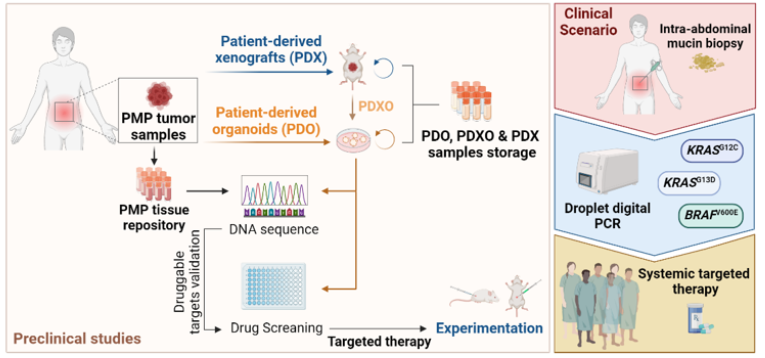
In a clinical setting, droplet digital PCR (ddPCR) analysis of intra-abdominal mucin biopsies from patients with PMP could serve as a diagnostic tool to detect these actionable mutations, enabling the selection of individualized, matched systemic targeted therapies for each patient.
European Consortia
Our work is integrated into leading European consortia, such as CRC-STARS, EuroPDX, PERSIST-SEQ, CRCelerate or PMP Accelerate, through which we contribute to the advancement of studies on cancer resistance and preclinical models.
- Understand the molecular mechanisms that regulate slow-cycling cancer cells and drug-tolerant persister (DTP) cells, with the goal of preventing therapy resistance, minimal residual disease and tumour relapse.
- Develop first-in-class epigenetic therapies based on pharmacological TET2 modulation and support their clinical translation through the VHIO spin-off ONIRIA Therapeutics.
- Investigate the role of TET2 in immune homeostasis, clonal hematopoiesis (CHIP), immune ageing and anti-tumour immunity to develop novel therapeutic strategies for cancer and ageing-associated diseases.
- Develop and evaluate TCR-T cell immunotherapies using patient-derived colorectal cancer models to improve adoptive cell therapy.
- Define the molecular and microenvironmental mechanisms driving resistance to targeted therapies, including KRAS, BRAF and others, and identify rational drug combinations to overcome therapeutic resistance.
- Investigate how the developmental pluripotent factor DPPA3 promotes chemotherapy-induced tumour persistence and identify molecular vulnerabilities to prevent relapse.
- Generate and characterize advanced patient-derived models (PDOs, PDXs and PDXOs) from colorectal cancer and pseudomyxoma peritonei to support translational cancer research and preclinical drug evaluation.
- Develop precision medicine strategies for pseudomyxoma peritonei by integrating patient-derived models, genomic profiling and biomarker discovery to identify actionable targets and guide personalized therapies.
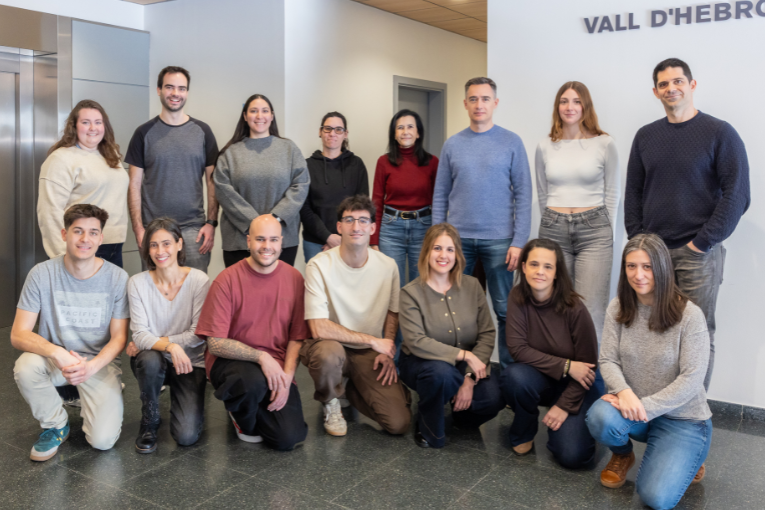
Group Leader
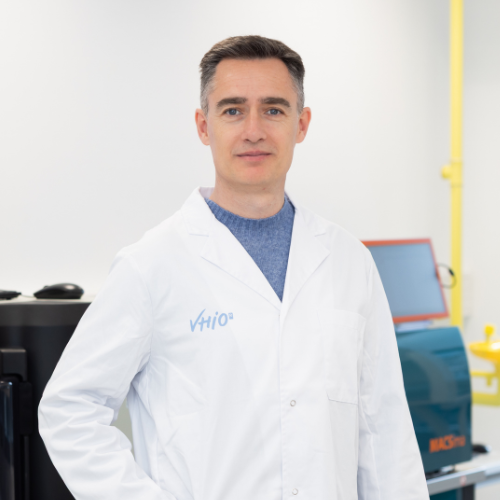
Héctor G. Palmer
Senior Investigators
Isabel Puig
Jordi Martínez-Quintanilla
Post-Doctoral Fellows
Belén Elguero
Alex Mur
Lorena Ramirez
Phd Students
Peijin Jiang
Pablo Arráez
Candida Salvans Gorjón
Predoctoral Fellow
Mariana Yáñez
Technicians
Anna Maria Alcántara
Debora Cabot
Irene Chicote
Raquel Flores
Eva Reig
Alexia Tafalla
Jordi Vergés San Jaime
Bioinformatican
Karen Gascón
Most relevant scientific publications
- Renner F, Eckmann J, Handl C, Wichmann J, Schnetzler G, Kratochwil NA, Keshelava N, Ros J, Élez E, Vergés J, Chicote I, Martínez-Quintanilla J, Palmer HG, Pettazzoni P. Mosperafenib, a novel paradox breaker BRAF inhibitor with potent preclinical activity in BRAF mutated colorectal cancer. Mol Cancer Ther; 2026 Apr 2;25(4):599-609.
- Centonze A, Roura AJ, Novillo-Font M, Giordano C, Hernando-Momblona X, Llanses M, Prats P, Sevillano M, Cabot D, Novell M, Pabst G, Andersch F, Cañellas-Socias A, Zhang C, Giakoumakis NN, Sparks H, Dunsby C, Colombelli J, Fernández-Barral A, Sancho E, Stephan-Otto Attolini C, Muñoz A, Barbachano A, Palmer HG, Martínez-Quintanilla J, Zuber J, Blaj C, Quintana E, Cortina C, Marti-Renom MA, Batlle E. A plastic EMP1⁺ to LGR5⁺ cell state conversion as a bypass to KRAS-G12D pharmacological inhibition in metastatic colorectal cancer. Cancer Discov. 2025;16(2):320-344.
- Varinelli L, Di Bella M, Guaglio M, Battistessa D, Pisati F, Cavalleri T, Milione M, Martínez-Quintanilla J, Caswell PT, Baratti D, Kusamura S, Deraco M, Gariboldi M, PMPnet Group. A combinatorial culture strategy to develop pseudomyxoma peritonei organoid models. J Surg Oncol. 2024;130(6):1213-1224.
- Martínez-Quintanilla J, Cabot D, Sabia D, Arqués O, Vergés J, Chicote I, Bijelic L, Cabellos L, Alcántara AM, Ramos I, Barrios P, Crusellas O, Palacio LM, Cámara JA, Barriuso J, Jiménez JJ, Muñoz-Torres P, Nonell L, Flores R, Médico E, Guaglio M, Ros J, Élez E, Tabernero J, Aziz O, Deraco M, Palmer HG, PMPnet Group. Precision oncology and systemic targeted therapy in Pseudomyxoma Peritonei. Clin Cancer Res. 2024;30(18):4082-4099.
- Cuesta-Borràs E, Salvans C, Arqués O, Chicote I, Ramírez L, Cabellos L, Martínez-Quintanilla J, Mur-Espinosa A, García-Álvarez A, Hernando J, Tejedor JR, Mirallas O, Élez E, Fraga MF, Tabernero J, Nuciforo P, Capdevila J, Palmer HG, Puig I. DPPA3-HIF1α axis controls colorectal cancer chemoresistance by imposing a slow cell-cycle phenotype. Cell Rep. 2023 Aug 29;42(8):112927.
- Puig I, Chicote I, Pálmer HG. Identifying Cell Differentiation in Colorectal Cancer. Methods Mol Biol. 2023;2650:227-233.
- Martini G, Belli V, Napolitano S, Ciaramella V, Ciardiello D, Belli A, Izzo F, Avallone A, Selvaggi F, Menegon Tasselli F, Santaniello W, Franco R, Puig I, Ramirez L, Chicote I, Mancuso F, Caratu G, Serres X, Fasani R, Jimenez J, Ros J, Baraibar I, Mulet N, Della Corte CM, Troiani T, Vivancos A, Dienstmann R, Elez E, Palmer HG, Tabernero J, Martinelli E, Ciardiello F, Argilés G. Establishment of patient-derived tumor organoids to functionally inform treatment decisions in metastatic colorectal cancer. ESMO Open. 2023 Jun;8(3):101198.
- Chicote I, Martínez-Quintanilla J, Cámara JA, Palmer HG. Orthotopic Implantation of Patient-Derived Cancer Cells in Mice Recapitulates Advanced Colorectal Cancer. J Vis Exp. 2023 Feb 10;(192).
- Martínez-Sabadell A, Morancho B, Rius Ruiz I, Román Alonso M, Ovejero Romero P, Escorihuela M, Chicote I, Palmer HG, Nonell L, Alemany-Chavarria M, Klein C, Bacac M, Arribas J, Arenas EJ. The target antigen determines the mechanism of acquired resistance to T cell-based therapies. Cell Rep. 2022 Oct 18;41(3):111430.
- Puig I, Palmer HG. A Label Retaining System to Capture Slow-Cycling Cancer Cells. Methods Mol Biol. 2022;2535:85-92.
- Herpers B, Eppink B, James MI, Cortina C, Cañellas-Socias A, Boj SF, Hernando-Momblona X, Glodzik D, Roovers RC, van de Wetering M, Bartelink-Clements C, Zondag-van der Zande V, Mateos JG, Yan K, Salinaro L, Basmeleh A, Fatrai S, Maussang D, Lammerts van Bueren JJ, Chicote I, Serna G, Cabellos L, Ramírez L, Nuciforo P, Salazar R, Santos C, Villanueva A, Stephan-Otto Attolini C, Sancho E, Palmer HG, Tabernero J, Stratton MR, de Kruif J, Logtenberg T, Clevers H, Price LS, Vries RGJ, Batlle E, Throsby M. Functional patient-derived organoid screenings identify MCLA-158 as a therapeutic EGFR × LGR5 bispecific antibody with efficacy in epithelial tumors. Nat Cancer. 2022 Apr;3(4):418-436.
- Woo XY, Giordano J, Srivastava A, Zhao ZM, Lloyd MW, de Bruijn R, Suh YS, Patidar R, Chen L, Scherer S, Bailey MH, Yang CH, Cortes-Sanchez E, Xi Y, Wang J, Wickramasinghe J, Kossenkov AV, Rebecca VW, Sun H, Mashl RJ, Davies SR, Jeon R, Frech C, Randjelovic J, Rosains J, Galimi F, Bertotti A, Lafferty A, O’Farrell AC, Modave E, Lambrechts D, Ter Brugge P, Serra V, Marangoni E, El Botty R, Kim H, Kim JI, Yang HK, Lee C, Dean DA 2nd, Davis-Dusenbery B, Evrard YA, Doroshow JH, Welm AL, Welm BE, Lewis MT, Fang B, Roth JA, Meric-Bernstam F, Herlyn M, Davies MA, Ding L, Li S, Govindan R, Isella C, Moscow JA, Trusolino L, Byrne AT, Jonkers J, Bult CJ, Medico E, Chuang JH; PDXNET Consortium; EurOPDX Consortium. Conservation of copy number profiles during engraftment and passaging of patient-derived cancer xenografts. Nat Genet. 2021 Jan;53(1):86-99.
- Harmston N, Lim JYS, Arqués O, Palmer HG, Petretto E, Virshup DM, Madan B. Widespread Repression of Gene Expression in Cancer by a Wnt/β-Catenin/MAPK Pathway. Cancer Res. 2021 Jan 15;81(2):464-475.
- Bruun J, Kryeziu K, Eide PW, Moosavi SH, Eilertsen IA, Langerud J, Røsok B, Totland MZ, Brunsell TH, Pellinen T, Saarela J, Bergsland CH, Palmer HG, Brudvik KW, Guren T, Dienstmann R, Guren MG, Nesbakken A, Bjørnbeth BA, Sveen A, Lothe RA. Patient-Derived Organoids from Multiple Colorectal Cancer Liver Metastases Reveal Moderate Intrapatient Pharmacotranscriptomic Heterogeneity. Clin Cancer Res. 2020 Aug 1;26(15):4107-4119.
- Capdevila J, Arqués O, Hernández Mora JR, Matito J, Caratù G, Mancuso FM, Landolfi S, Barriuso J, Jimenez-Fonseca P, Lopez Lopez C, Garcia-Carbonero R, Hernando J, Matos I, Nuciforo P, Hernández-Losa J, Esteller M, Martínez-Cardús A, Tabernero J, Vivancos A, Palmer HG. Epigenetic EGFR Gene Repression Confers Sensitivity to Therapeutic BRAFV600E Blockade in Colon Neuroendocrine Carcinomas. Clin Cancer Res. 2020 Feb 15;26(4):902-909. doi: 10.1158/1078-0432.CCR-19-1266. Epub 2019 Oct 31.
- Capdevila J, Matos I, Mancuso FM, Iglesias C, Nuciforo P, Zafon C, Palmer HG, Ogbah Z, Muiños L, Hernando J, Villacampa G, Peña CE, Tabernero J, Brose MS, Schlumberger M, Vivancos A. Identification of Expression Profiles Defining Distinct Prognostic Subsets of Radioactive-Iodine Refractory Differentiated Thyroid Cancer from the DECISION Trial. Mol Cancer Ther. 2020 Jan;19(1):312-317. doi: 10.1158/1535-7163.MCT-19-0211. Epub 2019 Sep 20.
- Selenica P, Raj N, Kumar R, Brown DN, Arqués O, Reidy D, Klimstra D, Snuderl M, Serrano J, Palmer HG, Weigelt B, Reis-Filho JS, Scaltriti M. Solid pseudopapillary neoplasms of the pancreas are dependent on the Wnt pathway. Mol Oncol. 2019 Aug;13(8):1684-1692. doi: 10.1002/1878-0261.12490. Epub 2019 Jul 3.
- Puig I, Tenbaum SP, Chicote I, Arqués O, Martínez-Quintanilla J, Cuesta-Borrás E, Ramírez L, Gonzalo P, Soto A, Aguilar S, Eguizabal C, Caratù G, Prat A, Argilés G, Landolfi S, Casanovas O, Serra V, Villanueva A, Arroyo AG, Terracciano L, Nuciforo P, Seoane J, Recio JA, Vivancos A, Dienstmann R, Tabernero J, Palmer HG. TET2 controls chemoresistant slow-cycling cancer cell survival and tumor recurrence. J Clin Invest. 2018 Aug 31;128(9):3887-3905.
- Sveen A, Bruun J, Eide PW, Eilertsen IA, Ramirez L, Murumägi A, Arjama M, Danielsen SA, Kryeziu K, Elez E, Tabernero J, Guinney J, Palmer HG, Nesbakken A, Kallioniemi O, Dienstmann R, Lothe RA. Colorectal Cancer Consensus Molecular Subtypes Translated to Preclinical Models Uncover Potentially Targetable Cancer Cell Dependencies. Clin Cancer Res. 2018 Feb 15;24(4):794-806.
- Martinez-Marti A, Felip E, Matito J, Mereu E, Navarro A, Cedrés S, Pardo N, Martinez de Castro A, Remon J, Miquel JM, Guillaumet-Adkins A, Nadal E, Rodriguez-Esteban G, Arqués O, Fasani R, Nuciforo P, Heyn H, Villanueva A, Palmer HG, Vivancos A. Dual MET and ERBB inhibition overcomes intratumor plasticity in osimertinib-resistant-advanced non-small-cell lung cancer (NSCLC). Ann Oncol. 2017 Oct 1;28(10):2451-2457.
- Byrne AT, Alférez DG, Amant F, Annibali D, Arribas J, Biankin AV, Bruna A, Budinská E, Caldas C, Chang DK, Clarke RB, Clevers H, Coukos G, Dangles-Marie V, Eckhardt SG, Gonzalez-Suarez E, Hermans E, Hidalgo M, Jarzabek MA, de Jong S, Jonkers J, Kemper K, Lanfrancone L, Mælandsmo GM, Marangoni E, Marine JC, Medico E, Norum JH, Palmer HG, Peeper DS, Pelicci PG, Piris-Gimenez A, Roman-Roman S, Rueda OM, Seoane J, Serra V, Soucek L, Vanhecke D, Villanueva A, Vinolo E, Bertotti A, Trusolino L. Interrogating open issues in cancer medicine with patient-derived xenografts. Nat Rev Cancer. 2017 Sep 15;17(10):632.
- Dienstmann R, Elez E, Argiles G, Matos I, Sanz-Garcia E, Ortiz C, Macarulla T, Capdevila J, Alsina M, Sauri T, Verdaguer H, Vilaro M, Ruiz-Pace F, Viaplana C, Garcia A, Landolfi S, Palmer HG, Nuciforo P, Rodon J, Vivancos A, Tabernero J. Analysis of mutant allele fractions in driver genes in colorectal cancer – biological and clinical insights. Mol Oncol. 2017 Sep;11(9):1263-1272.
- Arqués O, Chicote I, Puig I, Tenbaum SP, Argilés G, Dienstmann R, Fernández N, Caratù G, Matito J, Silberschmidt D, Rodon J, Landolfi S, Prat A, Espín E, Charco R, Nuciforo P, Vivancos A, Shao W, Tabernero J, Palmer HG. Tankyrase Inhibition Blocks Wnt/β-Catenin Pathway and Reverts Resistance to PI3K and AKT Inhibitors in the Treatment of Colorectal Cancer. Clin Cancer Res. 2016 Feb 1;22(3):644-56.
- Barbáchano A, Fernández-Barral A, Pereira F, Segura MF, Ordóñez-Morán P, Carrillo-de Santa Pau E, González-Sancho JM, Hanniford D, Martínez N, Costales-Carrera A, Real FX, Palmer HG, Rojas JM, Hernando E, Muñoz A. SPROUTY-2 represses the epithelial phenotype of colon carcinoma cells via upregulation of ZEB1 mediated by ETS1 and miR-200/miR-150. Oncogene. 2016 Jun 9;35(23):2991-3003.
- Jubierre L, Soriano A, Planells-Ferrer L, París-Coderch L, Tenbaum SP, Romero OA, Moubarak RS, Almazán-Moga A, Molist C, Roma J, Navarro S, Noguera R, Sánchez-Céspedes M, Comella JX, Palmer HG, Sánchez de Toledo J, Gallego S, Segura MF. BRG1/SMARCA4 is essential for neuroblastoma cell viability through modulation of cell death and survival pathways. Oncogene. 2016 Sep 29;35(39):5179-90.
- Arqués O, Chicote I, Puig I, Tenbaum SP, Argiles G, Dienstmann R, Fernández N, Caratù G, Matito J, Silberschmidt D, Rodón J, Landolfi S, Prat A, Espín E, Charco R, Nuciforo P, Vivancos A, Shao W, Tabernero J, Pálmer HG. Tankyrase Inhibition Blocks Wnt/β-Catenin Pathway and Reverts Resistance to PI3K and AKT Inhibitors in the Treatment of Colorectal Cancer. Clin. Cancer Res. 2016 Feb; 22(3): 644-56
- García-García C, Rivas MA, Ibrahim YH, Calvo MT, Gris-Oliver A, Rodriguez O, Grueso J, Anton P, Guzman M, Aura C, Nuciforo P, Jessen K, Argiles G, Dienstmann R, Bertotti A, Trusolino L, Matito J, Vivancos A, Chicote I, Pálmer HG, Tabernero J, Scaltriti M, Baselga J, Serra V. MEK plus PI3K/mTORC1/2 Therapeutic Efficacy Is Impacted by TP53 Mutation in Preclinical Models of Colorectal Cancer. Clin. Cancer Res. 2015 Dec; 21(24): 5499-510
- Herrero A, Pinto A, Colón-Bolea P, Casar B, Jones M, Agudo-Ibáñez L, Vidal R, Tenbaum SP, Nuciforo P, Valdizán EM, Horváth Z, Orfi L, Pineda-Lucena A, Bony E, Keri G, Rivas G, Pazos A, Gozalbes R, Pálmer HG, Hurlstone A, Crespo P. Small Molecule Inhibition of ERK Dimerization Prevents Tumorigenesis by RAS-ERK Pathway Oncogenes. Cancer Cell 2015 Aug; 28(2): 170-82
- Prat A, Adamo B, Fan C, Peg V, Vidal M, Galván P, Vivancos A, Nuciforo P, Pálmer HG, Dawood S, Rodón J, Cajal SR, Campo JM, Felip E, Tabernero J, Cortes J. ERRATUM: Genomic Analyses across Six Cancer Types Identify Basal-like Breast Cancer as a Unique Molecular Entity. Sci Rep 2015; 5: 8179
- Ordóñez-Morán P, Irmisch A, Barbáchano A, Chicote I, Tenbaum S, Landolfi S, Tabernero J, Huelsken J, Muñoz A, Pálmer HG. SPROUTY2 is a β-catenin and FOXO3a target gene indicative of poor prognosis in colon cancer. Oncogene 2014 Apr; 33(15): 1975-85
- Anjos-Afonso F, Currie E, Pálmer HG, Foster KE, Taussig DC, Bonnet D. CD34(-) cells at the apex of the human hematopoietic stem cell hierarchy have distinctive cellular and molecular signatures. Cell Stem Cell 2013 Aug; 13(2): 161-74
- Prat A, Adamo B, Fan C, Peg V, Vidal M, Galván P, Vivancos A, Nuciforo P, Pálmer HG, Dawood S, Rodón J, Cajal SR, Ramón y Cajal S, del Campo JM, Ramony Cajal S, Felip E, Tabernero J, Cortes J. Genomic analyses across six cancer types identify basal-like breast cancer as a unique molecular entity. Sci Rep 2013; 3: 3544
- Puig I, Chicote I, Tenbaum SP, Arqués O, Herance JR, Gispert JD, Jimenez J, Landolfi S, Caci K, Allende H, Mendizabal L, Moreno D, Charco R, Espín E, Prat A, Elez ME, Argiles G, Vivancos A, Tabernero J, Rojas S, Pálmer HG. A personalized preclinical model to evaluate the metastatic potential of patient-derived colon cancer initiating cells. Clin. Cancer Res. 2013 Dec; 19(24): 6787-801
- Tenbaum SP*, Ordóñez-Morán P*; Puig I*, Chicote I, Arqués O, Landolfi S, Fernández Y, Herance JR, Gispert JD, Mendizabal L, Aguilar S, Ramón y Cajal S, Schwartz Jr S, Vivancos A, Espín E, Rojas S, Baselga J, Tabernero J, Muñoz A, Palmer HG. “b-catenin confers resistance to PI3K and AKT inhibitors and subverts FOXO3a to promote metastasis in colon cancer”. Nat Med. 2012. 18(6):892-901. doi: 10.1038/nm.2772. PMID: 22610277. (*These authors contributed equally)
All scientific publications
- Renner F, Eckmann J, Handl C, Wichmann J, Schnetzler G, Kratochwil NA, Keshelava N, Ros J, Élez E, Vergés J, Chicote I, Martínez-Quintanilla J, Palmer HG, Pettazzoni P. Mosperafenib, a novel paradox breaker BRAF inhibitor with potent preclinical activity in BRAF mutated colorectal cancer. Mol Cancer Ther; 2026 Apr 2;25(4):599-609.
- Centonze A, Roura AJ, Novillo-Font M, Giordano C, Hernando-Momblona X, Llanses M, Prats P, Sevillano M, Cabot D, Novell M, Pabst G, Andersch F, Cañellas-Socias A, Zhang C, Giakoumakis NN, Sparks H, Dunsby C, Colombelli J, Fernández-Barral A, Sancho E, Stephan-Otto Attolini C, Muñoz A, Barbachano A, Palmer HG, Martínez-Quintanilla J, Zuber J, Blaj C, Quintana E, Cortina C, Marti-Renom MA, Batlle E. A plastic EMP1⁺ to LGR5⁺ cell state conversion as a bypass to KRAS-G12D pharmacological inhibition in metastatic colorectal cancer. Cancer Discov. 2025;16(2):320-344.
- Liñares-Blanco J, Chicote I, Ros J, Alcántara AM, Martínez-Quintanilla J, Elez E, Palmer HG, Fernandez-Lozano C, Seoane JA. Transcriptomic Signature Reveals Sensitivity to Tubulin Inhibitors in Colon Cancer. 2025.
- Varinelli L, Di Bella M, Guaglio M, Battistessa D, Pisati F, Cavalleri T, Milione M, Martínez-Quintanilla J, Caswell PT, Baratti D, Kusamura S, Deraco M, Gariboldi M, PMPnet Group. A combinatorial culture strategy to develop pseudomyxoma peritonei organoid models. J Surg Oncol. 2024;130(6):1213-1224.
- Martínez-Quintanilla J, Cabot D, Sabia D, Arqués O, Vergés J, Chicote I, Bijelic L, Cabellos L, Alcántara AM, Ramos I, Barrios P, Crusellas O, Palacio LM, Cámara JA, Barriuso J, Jiménez JJ, Muñoz-Torres P, Nonell L, Flores R, Médico E, Guaglio M, Ros J, Élez E, Tabernero J, Aziz O, Deraco M, Palmer HG, PMPnet Group. Precision oncology and systemic targeted therapy in Pseudomyxoma Peritonei. Clin Cancer Res. 2024;30(18):4082-4099.
- Villarejo Campos P, Vázquez-Borrego MC, Martínez-Quintanilla J, Cabot D, Romero-Ruíz A, Granados-Rodríguez M, Bura FI, García-Arranz M, García-Olmo D, Arjona-Sánchez A. Undetectable circulating tumor DNA confirms the inability of pseudomyxoma peritonei to systemic dissemination. Eur J Surg Oncol. 2024;50(7):108395.
- Cuesta-Borràs E, Salvans C, Arqués O, Chicote I, Ramírez L, Cabellos L, Martínez-Quintanilla J, Mur-Espinosa A, García-Álvarez A, Hernando J, Tejedor JR, Mirallas O, Élez E, Fraga MF, Tabernero J, Nuciforo P, Capdevila J, Palmer HG, Puig I. DPPA3-HIF1α axis controls colorectal cancer chemoresistance by imposing a slow cell-cycle phenotype. Cell Rep. 2023 Aug 29;42(8):112927.
- Puig I, Chicote I, Palmer HG. Identifying Cell Differentiation in Colorectal Cancer. Methods Mol Biol. 2023;2650:227-233.
- Martini G, Belli V, Napolitano S, Ciaramella V, Ciardiello D, Belli A, Izzo F, Avallone A, Selvaggi F, Menegon Tasselli F, Santaniello W, Franco R, Puig I, Ramirez L, Chicote I, Mancuso F, Caratu G, Serres X, Fasani R, Jimenez J, Ros J, Baraibar I, Mulet N, Della Corte CM, Troiani T, Vivancos A, Dienstmann R, Elez E, Palmer HG, Tabernero J, Martinelli E, Ciardiello F, Argilés G. Establishment of patient-derived tumor organoids to functionally inform treatment decisions in metastatic colorectal cancer. ESMO Open. 2023 Jun;8(3):101198.
- Chicote I, Martínez-Quintanilla J, Cámara JA, Palmer HG. Orthotopic Implantation of Patient-Derived Cancer Cells in Mice Recapitulates Advanced Colorectal Cancer. J Vis Exp. 2023 Feb 10;(192).
- Martínez-Sabadell A, Morancho B, Rius Ruiz I, Román Alonso M, Ovejero Romero P, Escorihuela M, Chicote I, Palmer HG, Nonell L, Alemany-Chavarria M, Klein C, Bacac M, Arribas J, Arenas EJ. The target antigen determines the mechanism of acquired resistance to T cell-based therapies. Cell Rep. 2022 Oct 18;41(3):111430.
- Puig I, Palmer HG. A Label Retaining System to Capture Slow-Cycling Cancer Cells. Methods Mol Biol. 2022;2535:85-92.
- Herpers B, Eppink B, James MI, Cortina C, Cañellas-Socias A, Boj SF, Hernando-Momblona X, Glodzik D, Roovers RC, van de Wetering M, Bartelink-Clements C, Zondag-van der Zande V, Mateos JG, Yan K, Salinaro L, Basmeleh A, Fatrai S, Maussang D, Lammerts van Bueren JJ, Chicote I, Serna G, Cabellos L, Ramírez L, Nuciforo P, Salazar R, Santos C, Villanueva A, Stephan-Otto Attolini C, Sancho E, Palmer HG, Tabernero J, Stratton MR, de Kruif J, Logtenberg T, Clevers H, Price LS, Vries RGJ, Batlle E, Throsby M. Functional patient-derived organoid screenings identify MCLA-158 as a therapeutic EGFR × LGR5 bispecific antibody with efficacy in epithelial tumors. Nat Cancer. 2022 Apr;3(4):418-436.
- Woo XY, Giordano J, Srivastava A, Zhao ZM, Lloyd MW, de Bruijn R, Suh YS, Patidar R, Chen L, Scherer S, Bailey MH, Yang CH, Cortes-Sanchez E, Xi Y, Wang J, Wickramasinghe J, Kossenkov AV, Rebecca VW, Sun H, Mashl RJ, Davies SR, Jeon R, Frech C, Randjelovic J, Rosains J, Galimi F, Bertotti A, Lafferty A, O’Farrell AC, Modave E, Lambrechts D, Ter Brugge P, Serra V, Marangoni E, El Botty R, Kim H, Kim JI, Yang HK, Lee C, Dean DA 2nd, Davis-Dusenbery B, Evrard YA, Doroshow JH, Welm AL, Welm BE, Lewis MT, Fang B, Roth JA, Meric-Bernstam F, Herlyn M, Davies MA, Ding L, Li S, Govindan R, Isella C, Moscow JA, Trusolino L, Byrne AT, Jonkers J, Bult CJ, Medico E, Chuang JH; PDXNET Consortium; EurOPDX Consortium. Conservation of copy number profiles during engraftment and passaging of patient-derived cancer xenografts. Nat Genet. 2021 Jan;53(1):86-99.
- Harmston N, Lim JYS, Arqués O, Palmer HG, Petretto E, Virshup DM, Madan B. Widespread Repression of Gene Expression in Cancer by a Wnt/β-Catenin/MAPK Pathway. Cancer Res. 2021 Jan 15;81(2):464-475.
- Capdevila J, Arqués O, Hernández Mora JR, Matito J, Caratù G, Mancuso FM, Landolfi S, Barriuso J, Jimenez-Fonseca P, Lopez Lopez C, Garcia-Carbonero R, Hernando J, Matos I, Paolo N, Hernández-Losa J, Esteller M, Martínez-Cardús A, Tabernero J, Vivancos A, Palmer HG. Epigenetic EGFR Gene Repression Confers Sensitivity to Therapeutic BRAFV600E Blockade in Colon Neuroendocrine Carcinomas.Clin Cancer Res. 2020 Feb 15;26(4):902-909. doi: 10.1158/1078-0432.CCR-19-1266. Epub 2019 Oct 31.
- Capdevila J, Matos I, Mancuso FM, Iglesias C, Nuciforo P, Zafon C, Palmer HG, Ogbah Z, Muiños L, Hernando J, Villacampa G, Peña CE, Tabernero J, Brose MS, Schlumberger M, Vivancos A. Identification of Expression Profiles Defining Distinct Prognostic Subsets of Radioactive-Iodine Refractory Differentiated Thyroid Cancer from the DECISION Trial.Mol Cancer Ther. 2020 Jan;19(1):312-317. doi: 10.1158/1535-7163.MCT-19-0211. Epub 2019 Sep 20.
- Selenica P, Raj N, Kumar R, Brown DN, Arqués O, Reidy D, Klimstra D, Snuderl M, Serrano J, Palmer HG, Weigelt B, Reis-Filho JS, Scaltriti M. Solid pseudopapillary neoplasms of the pancreas are dependent on the Wnt pathway.Mol Oncol. 2019 Aug;13(8):1684-1692. doi: 10.1002/1878-0261.12490. Epub 2019 Jul 3.
- Sveen A, Bruun J, Eide PW, Eilertsen IA, Ramirez L, Murumägi A, Arjama M, Danielsen SA, Kryeziu K, Elez E, Tabernero J, Guinney J, Palmer HG, Nesbakken A, Kallioniemi O, Dienstmann R, Lothe RA. Colorectal Cancer Consensus Molecular Subtypes Translated to Preclinical Models Uncover Potentially Targetable Cancer Cell Dependencies. Clin Cancer Res. Epub 2017 Dec 14.
- Martinez-Marti A, Felip E, Matito J, Mereu E, Navarro A, Cedrés S, Pardo N, Martinez de Castro A, Remon J, Miquel JM, Guillaumet-Adkins A, Nadal E, Rodriguez-Esteban G, Arqués O, Fasani R, Nuciforo P, Heyn H, Villanueva A, Palmer HG, Vivancos A. Dual MET and ERBB inhibition overcomes intratumor plasticity in osimertinib-resistant-advanced non-small-cell lung cancer (NSCLC). Ann Oncol. 2017 Oct 1;28(10):2451-2457.
- Byrne AT, Alférez DG, Amant F, Annibali D, Arribas J, Biankin AV, Bruna A, Budinská E, Caldas C, Chang DK, Clarke RB, Clevers H, Coukos G, Dangles-Marie V, Eckhardt SG, Gonzalez-Suarez E, Hermans E, Hidalgo M, Jarzabek MA, de Jong S, Jonkers J, Kemper K, Lanfrancone L, Mælandsmo GM, Marangoni E, Marine JC, Medico E, Norum JH, Palmer HG, Peeper DS, Pelicci PG, Piris-Gimenez A, Roman-Roman S, Rueda OM, Seoane J, Serra V, Soucek L, Vanhecke D, Villanueva A, Vinolo E, Bertotti A, Trusolino L. Interrogating open issues in cancer medicine with patient-derived xenografts. Nat Rev Cancer. 2017 Sep 15;17(10):632.
- Dienstmann R, Elez E, Argiles G, Matos I, Sanz-Garcia E, Ortiz C, Macarulla T, Capdevila J, Alsina M, Sauri T, Verdaguer H, Vilaro M, Ruiz-Pace F, Viaplana C, Garcia A, Landolfi S, Palmer HG, Nuciforo P, Rodon J, Vivancos A, Tabernero J. Analysis of mutant allele fractions in driver genes in colorectal cancer – biological and clinical insights. Mol Oncol. 2017 Sep;11(9):1263-1272.
- Arqués O, Chicote I, Puig I, Tenbaum SP, Argilés G, Dienstmann R, Fernández N, Caratù G, Matito J, Silberschmidt D, Rodon J, Landolfi S, Prat A, Espín E, Charco R, Nuciforo P, Vivancos A, Shao W, Tabernero J, Palmer HG. Tankyrase Inhibition Blocks Wnt/β-Catenin Pathway and Reverts Resistance to PI3K and AKT Inhibitors in the Treatment of Colorectal Cancer. Clin Cancer Res. 2016 Feb 1;22(3):644-56.
- Barbáchano A, Fernández-Barral A, Pereira F, Segura MF, Ordóñez-Morán P, Carrillo-de Santa Pau E, González-Sancho JM, Hanniford D, Martínez N, Costales-Carrera A, Real FX, Palmer HG, Rojas JM, Hernando E, Muñoz A. SPROUTY-2 represses the epithelial phenotype of colon carcinoma cells via upregulation of ZEB1 mediated by ETS1 and miR-200/miR-150. Oncogene. 2016 Jun 9;35(23):2991-3003.
- Jubierre L, Soriano A, Planells-Ferrer L, París-Coderch L, Tenbaum SP, Romero OA, Moubarak RS, Almazán-Moga A, Molist C, Roma J, Navarro S, Noguera R, Sánchez-Céspedes M, Comella JX, Palmer HG, Sánchez de Toledo J, Gallego S, Segura MF. BRG1/SMARCA4 is essential for neuroblastoma cell viability through modulation of cell death and survival pathways. Oncogene. 2016 Sep 29;35(39):5179-90.
- Arqués O, Chicote I, Puig I, Tenbaum SP, Argiles G, Dienstmann R, Fernández N, Caratù G, Matito J, Silberschmidt D, Rodón J, Landolfi S, Prat A, Espín E, Charco R, Nuciforo P, Vivancos A, Shao W, Tabernero J, Pálmer HG. Tankyrase Inhibition Blocks Wnt/β-Catenin Pathway and Reverts Resistance to PI3K and AKT Inhibitors in the Treatment of Colorectal Cancer. Clin. Cancer Res. 2016 Feb; 22(3): 644-56
- García-García C, Rivas MA, Ibrahim YH, Calvo MT, Gris-Oliver A, Rodriguez O, Grueso J, Anton P, Guzman M, Aura C, Nuciforo P, Jessen K, Argiles G, Dienstmann R, Bertotti A, Trusolino L, Matito J, Vivancos A, Chicote I, Pálmer HG, Tabernero J, Scaltriti M, Baselga J, Serra V. MEK plus PI3K/mTORC1/2 Therapeutic Efficacy Is Impacted by TP53 Mutation in Preclinical Models of Colorectal Cancer. Clin. Cancer Res. 2015 Dec; 21(24): 5499-510
- Herrero A, Pinto A, Colón-Bolea P, Casar B, Jones M, Agudo-Ibáñez L, Vidal R, Tenbaum SP, Nuciforo P, Valdizán EM, Horváth Z, Orfi L, Pineda-Lucena A, Bony E, Keri G, Rivas G, Pazos A, Gozalbes R, Pálmer HG, Hurlstone A, Crespo P. Small Molecule Inhibition of ERK Dimerization Prevents Tumorigenesis by RAS-ERK Pathway Oncogenes. Cancer Cell 2015 Aug; 28(2): 170-82
- Prat A, Adamo B, Fan C, Peg V, Vidal M, Galván P, Vivancos A, Nuciforo P, Pálmer HG, Dawood S, Rodón J, Cajal SR, Campo JM, Felip E, Tabernero J, Cortes J. ERRATUM: Genomic Analyses across Six Cancer Types Identify Basal-like Breast Cancer as a Unique Molecular Entity. Sci Rep 2015; 5: 8179
- Ordóñez-Morán P, Irmisch A, Barbáchano A, Chicote I, Tenbaum S, Landolfi S, Tabernero J, Huelsken J, Muñoz A, Pálmer HG. SPROUTY2 is a β-catenin and FOXO3a target gene indicative of poor prognosis in colon cancer. Oncogene 2014 Apr; 33(15): 1975-85
- Anjos-Afonso F, Currie E, Pálmer HG, Foster KE, Taussig DC, Bonnet D. CD34(-) cells at the apex of the human hematopoietic stem cell hierarchy have distinctive cellular and molecular signatures. Cell Stem Cell 2013 Aug; 13(2): 161-74
- Prat A, Adamo B, Fan C, Peg V, Vidal M, Galván P, Vivancos A, Nuciforo P, Pálmer HG, Dawood S, Rodón J, Cajal SR, Ramón y Cajal S, del Campo JM, Ramony Cajal S, Felip E, Tabernero J, Cortes J. Genomic analyses across six cancer types identify basal-like breast cancer as a unique molecular entity. Sci Rep 2013; 3: 3544
- Puig I, Chicote I, Tenbaum SP, Arqués O, Herance JR, Gispert JD, Jimenez J, Landolfi S, Caci K, Allende H, Mendizabal L, Moreno D, Charco R, Espín E, Prat A, Elez ME, Argiles G, Vivancos A, Tabernero J, Rojas S, Pálmer HG. A personalized preclinical model to evaluate the metastatic potential of patient-derived colon cancer initiating cells. Clin. Cancer Res. 2013 Dec; 19(24): 6787-801
- Tenbaum SP, Ordóñez-Morán P, Puig I, Chicote I, Arqués O, Landolfi S, Fernández Y, Herance JR, Gispert JD, Mendizabal L, Aguilar S, Ramón y Cajal S, Schwartz S, Vivancos A, Espín E, Rojas S, Baselga J, Tabernero J, Muñoz A, Pálmer HG. β-catenin confers resistance to PI3K and AKT inhibitors and subverts FOXO3a to promote metastasis in colon cancer. Nat. Med. 2012 Jun; 18(6): 892-901
- Larriba MJ, Ordóñez-Morán P, Chicote I, Martín-Fernández G, Puig I, Muñoz A, Pálmer HG. Vitamin D receptor deficiency enhances Wnt/β-catenin signaling and tumor burden in colon cancer. PLoS ONE 2011; 6(8): e23524
- Barbáchano A, Ordóñez-Morán P, García JM, Sánchez A, Pereira F, Larriba MJ, Martínez N, Hernández J, Landolfi S, Bonilla F, Pálmer HG, Rojas JM, Muñoz A. SPROUTY-2 and E-cadherin regulate reciprocally and dictate colon cancer cell tumourigenicity. Oncogene 2010 Aug; 29(34): 4800-13
- Pálmer HG, Anjos-Afonso F, Carmeliet G, Takeda H, Watt FM. The vitamin D receptor is a Wnt effector that controls hair follicle differentiation and specifies tumor type in adult epidermis. PLoS ONE 2008; 3(1): e1483
- Pálmer HG, Larriba MJ, García JM, Ordóñez-Morán P, Peña C, Peiró S, Puig I, Rodríguez R, de la Fuente R, Bernad A, Pollán M, Bonilla F, Gamallo C, de Herreros AG, Muñoz A. The transcription factor SNAIL represses vitamin D receptor expression and responsiveness in human colon cancer. Nat. Med. 2004 Sep; 10(9): 917-9
- Pálmer HG, González-Sancho JM, Espada J, Berciano MT, Puig I, Baulida J, Quintanilla M, Cano A, de Herreros AG, Lafarga M, Muñoz A. Vitamin D(3) promotes the differentiation of colon carcinoma cells by the induction of E-cadherin and the inhibition of beta-catenin signaling. J. Cell Biol. 2001 Jul; 154(2): 369-87
- Colorectal Cancer – Stratification of Therapies through Adaptive Responses (CRC-STARS). Funding entities: Cancer Research UK Beatson Institute and Asociación Española Contra el Cáncer (AECC). Duration: 2025–2029. VHIO scientific co-leads: Jordi Martínez-Quintanilla and Héctor G. Palmer
- Bridging Preclinical Research and Clinical Application: A First-in-Class TET2 Activator for Overcoming Resistance in Colorectal Cancer. Funding entity: Agencia Estatal de Investigación – Ministerio de Ciencia, Innovación y Universidades. Reference: CPP2024-011292. Duration: 2025–2028. Coordinator: Oniria Therapeutics, S.L. VHIO PI: Héctor G. Palmer.

- Uncovering Novel Rational Drug Combinations to Overcome Colorectal Cancer Persistence. Funding entity: Instituto de Salud Carlos III (ISCIII). Reference: PI24/00538. Duration: 2025–2027. PI: Isabel Puig
- Development and Clinical Validation of a CDx for ONR-001 Monitoring in Melanoma Patients Using Plasmonic Nanoparticles. Funding entity: Agencia Estatal de Investigación – Ministerio de Ciencia, Innovación y Universidades. Reference: CPP2023-010692. Duration: 2024–2027. Coordinator: Oniria Therapeutics, S.L.. VHIO PI: Héctor G. Palmer
- Investigating Single-Cell Heterogeneity in CRC Tumours to Reveal the Molecular Circuits Responsible for Drug Resistance as Novel Targets to Fight Disease Persistence. Funding entity: Instituto de Salud Carlos III (ISCIII). Duration: 2024–2026. PI: Héctor G. Palmer
- Development of TET2-Activating Drugs for the Treatment of Melanoma. Funding entity: Agencia Estatal de Investigación – Ministerio de Ciencia e Innovación. Reference: CPP2022-009781. Duration: 2023–2026. Coordinator: Oniria Therapeutics, S.L.. Other partner: Fundació Hospital Universitari Vall d’Hebron – Institut de Recerca. VHIO PI: Héctor G. Palmer

- Drug-Loaded Nanobots for Transmucosal Delivery to Mucinous Tumours (MucOncoBots). Funding entity: European Research Council (ERC). Current duration: 2023–2025. Coordinator and Principal Investigator: Samuel Sánchez. VHIO scientific co-leads: Jordi Martínez-Quintanilla and Héctor G. Palmer.
- Exploring the Feasibility of Predictive and Pharmacodynamic Biomarkers of Immunotherapy in Solid Tumors (Immune4ALL). Funding entity: CIBERONC. Duration: 2022–2025. VHIO PI: Héctor G. Palmer. Consortium Coordinator: Enrique de Álava.
- PERSIST-SEQ: Building a Reproducible Single-Cell Experimental Workflow to Capture Tumour Drug Persistence. Current funding Innovative Medicines Initiative (IMI), pharmaceutical industry and European Union, under Horizon 2020-JTI-IMI2-2020-20-two-stage. Duration: 2021–2024. VHIO PI: Héctor G. Palmer.
- Patient-Derived Organoids 2.0: Recapitulating the Stromal and Immune Microenvironment in Annotated Organoid Platforms to Advance Personalized Cancer Treatment. Funding entity: CIBERONC. Duration: 2021–2024. VHIO scientific co-leads: Jordi Martínez-Quintanilla and Héctor G. Palmer. Consortium Coordinator: Patricia Pérez.
- Targeting Dormant Tumor Cells as a New Strategy to Fight Cancer. Funding entity: Instituto de Salud Carlos III (ISCIII). Reference: PI20/00897. Duration: 2021–2023. PI: Héctor G. Palmer.
- Dormancy and Autophagy: Decoding the Molecular Mechanism That Mediates Cancer Drug Resistance. Reference: IDEAS20033PUIG. Funding entity: Fundación Científica de la Asociación Española Contra el Cáncer (FCAECC). Duration: 2020–2022. PI: Isabel Puig.
- First-in-Class Small-Molecule Activators of TET2 for the Treatment of Cancer. Funding entity: Asociación Española Contra el Cáncer (AECC). Duration: 2020–2021. PI: Isabel Puig and Coordinator: Héctor G. Palmer.
- Tumor Microenvironment-Derived Factors in Localized Colon Cancer: Clinical Impact and Therapeutic Implications. Funding entity: Asociación Española Contra el Cáncer (AECC). Duration: 2020–2024. VHIO scientific co-leads: Jordi Martínez-Quintanilla and Héctor G. Palmer. Consortium Coordinator: Andrés Cervantes
- ONIRIA: Mastering Cell Dormancy to Fight Cancer. Funding entity: AGAUR – Innovadors 2019. Duration: 2020–2022. PI: Héctor G. Palmer
This project was co-funded by the European Regional Development Fund. Its objective was to maximize the value of the drug candidates, secure funding for their preclinical development and identify additional therapeutic indications.

- CaixaImpulse Validate: A Novel Approach to Enhance the Therapeutic Efficacy of CAR Cells. Funding entity: Fundación Bancaria Caixa d’Estalvis i Pensions de Barcelona. Duration: 2020–2021. VHIO Scientific Leader: Isabel Puig and Project Leader: Carlos Galdeano.
- Accelerator Award: Pseudomyxoma Peritonei—Building a European Multicentric Cohort to Accelerate New Therapeutic Perspectives. Funding entities: Cancer Research UK (CRUK), Asociación Española Contra el Cáncer (AECC) and Italian Association for Cancer Research (AIRC). Proposed duration: 2020–2025. VHIO scientific co-leads: Jordi Martínez-Quintanilla and Héctor G. Palmer. Consortium Coordinator: Marcello Deraco.
- Accelerator Award: ACRCelerate—Colorectal Cancer Stratified Medicine Network. Funding entities: Cancer Research UK (CRUK), Asociación Española Contra el Cáncer (AECC) and Italian Association for Cancer Research (AIRC). Duration: 2018–2021. VHIO PI: Héctor G. Palmer. Consortium Coordinator: Owen Sansom.
- EDIReX: EurOPDX Distributed Infrastructure for Research on Patient-Derived Cancer Xenografts. Current numbering: 18. Funding entity: European Union’s Horizon 2020 Research and Innovation Programme. Reference: 731105. Duration: 2018–2021. VHIO PI: Héctor G. Palmer. Consortium Coordinator: Enzo Medico

We have participated in the design of the BRAVE academic clinical trial that will start recruiting patients with BRAF-mutated colorectal cancer I 2024.
Related News