

As every year, the Endavant Chic@s Association organises numerous recreational and sports activities to raise funds for breast cancer research at the Vall d’Hebron Institute of Oncology (VHIO).
Since 2016, the organisation has accompanied and supported breast cancer patients at Vall d’Hebron University Hospital through activities, volunteering in waiting rooms, workshops for patients and families, and various support resources.
Over the years, the relationship between Endavant Chic@s and VHIO has grown stronger. Thanks to its donations, the association has contributed to advancing projects led by the VHIO’s Breast Cancer Group and the Hereditary Cancer Genetics Group. This has strengthened research in key areas for patients.
This year, through the organisation of charity padel tournaments, fundraising theatre performances and the sale of Christmas lottery tickets, Endavant Chic@s has raised more than 17.000€.
“This year we have organised many activities and, thanks to everyone who has collaborated, we can continue to help,” explains Luisa Vázquez, president of the association.
The full amount will support the research project “Qualitative and quantitative analysis of barriers, needs and perspectives in family communication of genetic risk”, led by Adrià López, genetic counsellor of the VHIO Hereditary Cancer Group.
Cancer is a disease characterised by the uncontrolled growth of cells that invade and damage tissue and organs. It has a multifactorial origin, resulting from genetic and environmental factors. Although most cases are sporadic, between 5% and 10% have a hereditary genetic basis. This is caused by germline alterations in cancer-predisposition genes, which increase the risk of the disease. For example, different genes are associated with a higher risk of cancer.
BRCA1, BRCA2 and PALB2 are the most well-known breast cancer genes. In the case of ovarian cancer, in addition to BRCA1 and BRCA2, BRIP1, RAD51C, RAD51D and genes related to Lynch syndrome (MLH1, MSH2, MSH6 and PMS2) are also involved.
ANALYSING BARRIERS TO GENETIC INFORMATION COMMUNICATION
This research project aims to improve access to predictive genetic testing (in healthy relatives) and facilitate the early identification of individuals at high hereditary risk of cancer. These tests allow us to detect genetic variants associated with increased risk and implement preventative measures, monitoring strategies or personalised treatments. However, barriers still exist that hinder both uptake of these tests and results communication within families.
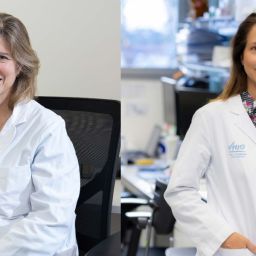
“Thanks to the support of Endavant Chic@s, VHIO will be able to advance a project that addresses this challenge from a comprehensive perspective, combining qualitative and quantitative methodologies through focus groups, participatory workshops and surveys, and applying artificial intelligence models to develop a clinical tool to support the communication of predictive genetic testing,” explains Dr Judith Balmaña, medical oncologist and Head of the VHIO Hereditary Cancer Genetics Group.

.The study will evaluate the current situation of predictive genetic testing in Spain and the role of healthcare professionals in promoting it. It will also explore the emotional, cognitive and practical challenges that may hinder genetic information communication to relatives at risk. It will also analyse the effectiveness of a pilot digital strategy designed to encourage the uptake of these tests.
The ultimate objective is to generate robust evidence that will help design tools and recommendations to facilitate access to genetic testing. This will improve hereditary cancer prevention.
Dr Adrià López, genetic counsellor at the VHIO Hereditary Cancer Genetics Group, adds:
“The project also aims to quantify undiagnosed high-risk genetic carriers, model the time required for their complete identification, compare this approach with population screening, and estimate the annual rates of family testing based on an identified index case.”
With this donation, the Endavant Chic@s Association reaffirms its commitment to research and improving hereditary cancer prevention and management. Its support will help advance towards a more effective and equitable model for identifying and protecting individuals with higher genetic risk.