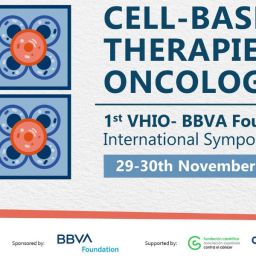


Engineering T cells directly inside the patient’s body to turn them into CAR-T cells ready to attack tumor cells, using gene-editing tools to identify biomarkers of response to CAR-T therapies in solid tumors, or fine-tuning T-cell stemness to enhance their antitumor activity and durability — these are among the breakthroughs that will be presented during the 2nd VHIO–BBVA International Symposium on Cellular Therapies in Oncology, taking place on November 13–14 at the Sala de Convalescència of the Universitat Autònoma de Barcelona, located within the Sant Pau Historical Site in Barcelona.

Organized by the Vall d’Hebron Institute of Oncology (VHIO) with the collaboration of the BBVA Foundation through its Comprehensive Cancer Immunotherapy and Immunology Program (CAIMI and CAIMI II), the goal of the symposium is to showcase cutting-edge research in the field of advanced therapies and to foster collaboration among international experts to deepen our understanding of cancer and accelerate the translation of scientific discoveries into clinical practice for the benefit of patients.
The next revolution in immunotherapy
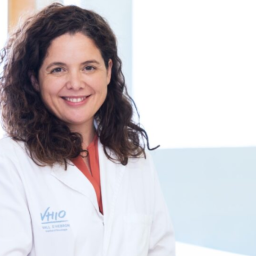
“Activating the patient’s immune system against the tumor has revolutionized cancer treatment over the past two decades,” says Dr. Alena Gros, Principal Investigator of VHIO’s Tumor Immunology and Immunotherapy Group, Head of Translational Research, Advanced Therapies Program at VHIO and co-organizer of the symposium.
The advent of immune checkpoint inhibitors has significantly improved survival in certain cancers such as melanoma and some types of lung cancer. However, response rates remain modest. In a second wave, cell therapies — particularly CAR-T therapies for hematological malignancies — have made a remarkable impact, benefiting thousands of patients worldwide.
“The next revolution is already here,” adds Dr. Gros. “This symposium, bringing together leading experts in immunology and cellular therapies from around the world, will offer a unique opportunity to learn about the latest advances in this rapidly evolving field”.
In Vivo CAR-T Cell Manufacturing
Dr. Saar Gill, Associate Professor of Medicine in the Division of Hematology-Oncology at the University of Pennsylvania, will open the meeting by presenting advances in his groundbreaking approach to generating modified T cells directly within the patient’s body.
Currently, CAR-T cells are manufactured in a laboratory through a lengthy and complex process that requires reinfusing a substantial number of modified cells back into the patient.
“With this new approach, a patient eligible for CAR-T therapy would receive a direct intravenous injection of a ‘ready-to-use’ gene transfer vector. This gene therapy would essentially transform the patient’s lymphoid organs into a bioreactor capable of producing tumor-targeting cells,” explains Dr. Gill. Through Interius BioTherapeutics, the biotechnology company he co-founded in 2019, the first clinical trial has been launched, and multiple patients have already been treated with an in vivo–administered CAR-T therapy for the first time.
The immunogenicity of cancer
Dr. Thomas Blankenstein, from the Max Delbrück Center in Berlin, will focus his talk on the immunogenicity of tumor neoantigens — specific cancer mutations that can render tumor cells visible to the immune system. “The immunogenicity of cancer largely depends on the presence of antigens recognized by the immune system as foreign; however, most tumors carry very few truly immunogenic neoantigens” affirms Dr. Blankenstein (Blankenstein T. Nat Rev Cancer, 2013).
His research explores how the immunogenicity of human cancer neoantigens can be defined and which molecular and cellular mechanisms explain their immunogenicity. His research explains why there is a strong immunodominance among neoantigens, which has implication for cancer neoantigen vaccination approaches. His research also aims to identify high-avidity T cell receptors for clinical use.
Beyond Scientific Advances: Building Collaborative Networks and Empowering Patients
In addition to the scientific breakthroughs presented, the symposium will feature a discussion on the need to establish operational networks for cell and gene therapy products in Europe, in a roundtable moderated by Dr. Silvia Martín-Lluesma, Director of VHIO’s Advanced Therapies, Head of Regulatory Strategy, Advanced Therapies Program at VHIO Program and co-organizer of the symposium. The session will also emphasize the key role and involvement of patients in the research process, represented by Marta Puyol, President of the Spanish Association Against Cancer (AECC).
VHIO’s Advanced Therapies Program
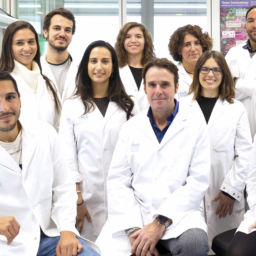
In recent years, VHIO has built a multidisciplinary team with extensive experience in clinical and preclinical research as well as therapeutic product development, supported by the BBVA Foundation through its Comprehensive Cancer Immunotherapy and Immunology Program (CAIMI and CAIMI II). Within this program, several VHIO research groups — including those led by Dr. Alena Gros and Dr. Joaquin Arribas — are developing innovative therapeutic approaches such as tumor-infiltrating lymphocytes (TILs), Natural Killer (NK) cells, and CAR-T cells, among others.
The 2022 AECC Advanced Therapies Accelerator Excellence Program Award from the Spanish Association Against Cancer represents a major step forward for VHIO’s Advanced Therapies Program. This recognition will enable the construction of a Good Manufacturing Practice (GMP) clean room — a specialized laboratory meeting the quality and biosafety standards required for the clinical-grade production of cell therapy products in the European Union.
Based-Cell Therapy Clinical Trials at VHIO
Currently, at the Molecular Cancer Therapy Research Unit (UITM-CaixaResearch) at VHIO, led by Dr. Elena Garralda, there are 5 ongoing clinical trials focused on cell therapies for solid tumors. Meanwhile, at the Advanced Therapies Unit of Vall d’Hebron University Hospital, led by Dr. Pere Barba, there are currently 18 active clinical trials investigating new cellular therapies to treat hematologic malignancies, cancer, and autoimmune diseases, with the majority utilizing CAR-T therapies.
Translational Research Model
The VHIO Advanced Therapies Program operates within the translational research model that defines the institution, where research findings are effectively and safely transferred to clinical practice through clinical trials. This approach has led VHIO to become the first research institute associated with a healthcare center accredited as a Severo Ochoa Excellence Center. The accreditation recognizes VHIO’s experience and leadership in early-phase clinical trials and experimental drugs, as well as its translational research model, which fosters strong coordination between preclinical and clinical research.