

The HOPE Prostate (SOLTI-2102) study analyzed 208 samples (116 tissue and 92 liquid biopsies) from 146 patients with metastatic prostate cancer, issuing therapeutic recommendations in 52% of cases.
Up to 3 out of 4 patients were reviewed in a Molecular Advisory Board (MAB) with an average turnaround time of 31 days, demonstrating the feasibility of the process. Over 90% of patients expressed satisfaction and would participate in a similar study again. Promoted by SOLTI and scientifically coordinated with VHIO, the study has strengthened equitable access to precision medicine across Spain.
Results from the HOPE Prostate (SOLTI-2102) study, presented today in an oral session at the Spanish Society of Medical Oncology (SEOM 2025) Congress, demonstrate that integrating genomic testing nationwide into the management of metastatic prostate cancer (mPC) is feasible in clinical practice and helps reduce territorial inequalities in access to precision oncology.
A total of 242 patients were registered in the program and 192 were included. 208 samples—116 tumor tissue and 92 liquid biopsy—were analyzed from 146 participants. These cases, representing 76.7% of all registered patients, were reviewed by a multidisciplinary Molecular Advisory Board (MAB) that issued clinical interpretation reports with therapeutic recommendations in 52% of the discussions. The average time from inclusion to case review was 31 days, even in progression settings.
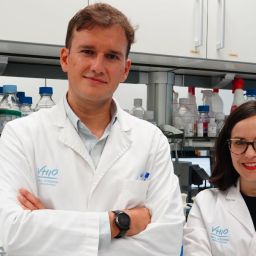
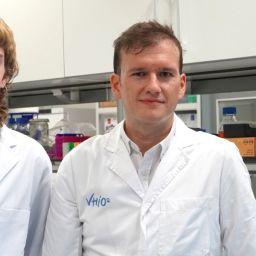
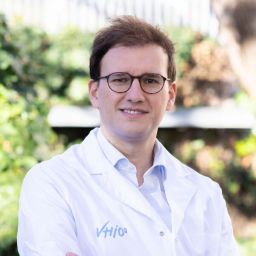
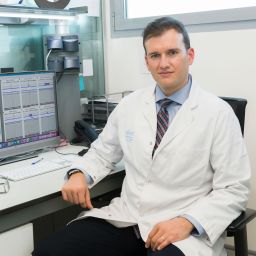
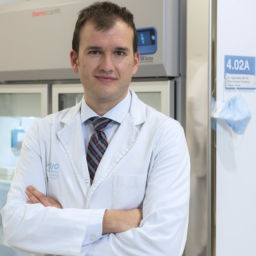
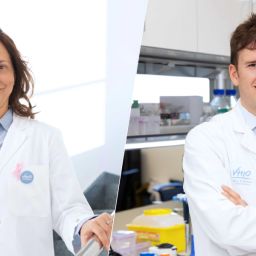
“HOPE Prostate has confirmed that genomic testing can be realistically and equitably incorporated into clinical practice,” said Dr. Joaquín Mateo, co-principal investigator of the study, SOLTI member, Head of the Prostate Cancer Research Group at VHIO, and medical oncologist at Vall d’Hebron University Hospital. “The study enabled case-by-case discussions in molecular boards, generating tailored therapeutic recommendations. This is a decisive step toward a more personalized and sustainable oncology in Spain.”
The program achieved national coverage with participation from 19 hospitals across Spain. The most frequent genomic alterations were, in tissue: TP53 (30%), PTEN (18%), FOXA1 (8%), SPOP (6%) and BRCA2 (3%); and in liquid biopsy (blood): TP53 (48%), AR (39%), ATM (15%), CTNNB1 (12%) and BRCA2 (7%). These findings identified potential therapeutic targets and germline variants relevant to both treatment selection and family genetic counseling.
“Our main goal was to perform a molecular study of tumors to apply therapies that could provide the greatest benefit to patients,” explained Dr. Joan Carles Galcerán, co-principal investigator of the study, SOLTI member, former head of the Genitourinary, CNS, Sarcoma and CUP Tumors Unit at Vall d’Hebron University Hospital, and VHIO researcher. “HOPE Prostate has enabled patients nationwide to access comprehensive molecular profiling and explore innovative therapeutic options, including clinical trial opportunities.”
Beyond technical and clinical outcomes, the patient experience was highly positive: over 90% of participants reported satisfaction and willingness to take part in a similar initiative. According to the researchers, this underscores the value of combining high-quality genomic technology with expert interpretation in multidisciplinary boards, where oncologists, pathologists, geneticists, and molecular biologists translate data into actionable clinical decisions.
“Molecular boards have strengthened cross-specialty collaboration and supported more informed decision-making,” added Dr. Carles. “The national infrastructure built through this study is, in itself, a strategic advancement for precision oncology.”
From an access and equity standpoint, HOPE Prostate has helped extend genomics beyond large reference centers. As Dr. Mateo summarized:
“Overcoming access barriers to genomic testing and targeted therapies has been essential to improving care quality and guiding new clinical and research strategies in prostate cancer.”
HOPE Prostate is part of SOLTI’s HOPE Program, an academic initiative designed to bring genomic innovation closer to patients and promote their active participation in clinical research. The program aims to guarantee equitable access to precision medicine and generate real-world evidence on the impact of genomics in clinical practice.