
Accelerating the discovery of next-generation cancer therapies through artificial intelligence, systems chemical biology and experimental research.
The AI-Driven Drug Discovery Group at VHIO develops computational and experimental approaches to accelerate the discovery of innovative cancer therapeutics. Our vision is to combine artificial intelligence, systems chemical biology and large-scale chemical and biological data to better understand drug action and design safer and more effective small-molecule therapies for patients with cancer.
We are an interdisciplinary team bringing together expertise in machine learning, cheminformatics, medicinal chemistry and cancer biology. Although primarily computational, the group operates a small experimental laboratory that enables rapid validation of computational predictions using in vitro cancer models. By working closely with clinicians, translational researchers and industrial partners, we aim to transform computational discoveries into meaningful therapeutic opportunities.
We are also committed to training a new generation of multidisciplinary scientists able to work fluently across artificial intelligence, chemistry and experimental cancer research.
- Artificial intelligence and machine learning for small-molecule hit discovery, design and optimization.
- Systems chemical biology and polypharmacology prediction to better understand drug action and identify repurposing opportunities, with a particular focus on drug metabolites.
- AI-enabled discovery of multi-target and immuno-oncology therapeutics.
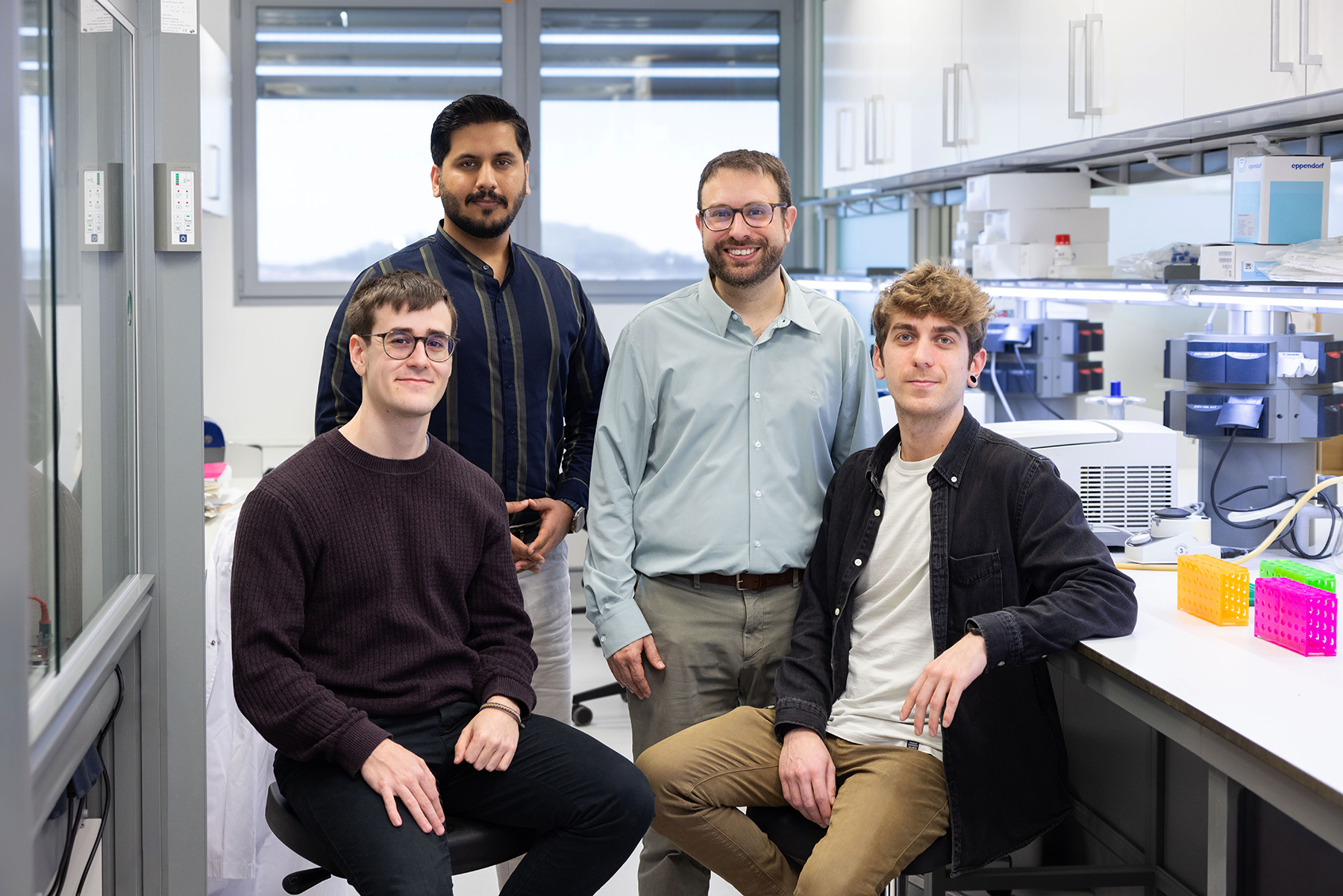
Group Leader
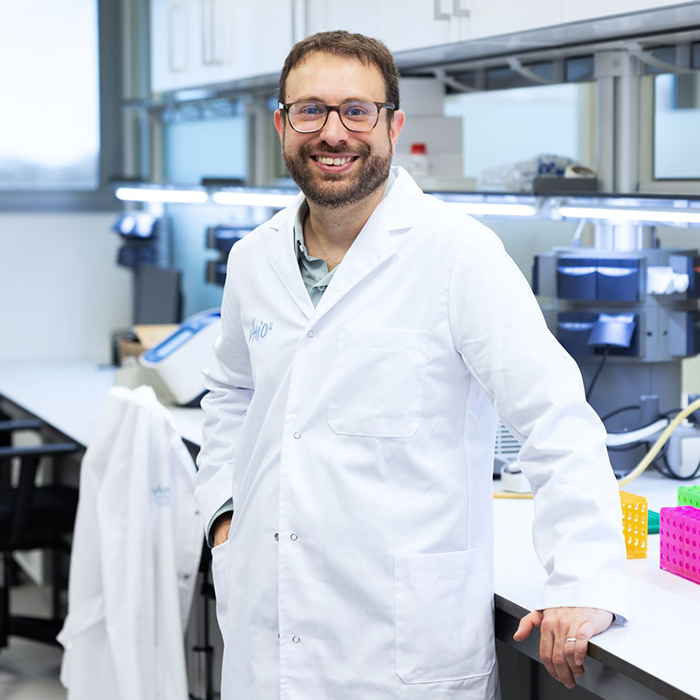
Albert Antolin
Postdoctoral Researcher
Michela Varani
PhD Students
Luca Ruvo
Albert Turon
Title: Protein–ligand data generation at scale to support computational hit finding and optimization (LIGAND-AI)
Funding entity: Innovative Health Initiative (IHI)
Reference: 101252959
Duration: 11/2025–10/2030
Role: Co-PI
Title: A Systems Drug Discovery Platform to Tackle Cancer Drug Resistance – “Miguel Servet” Fellowship
Funding entity: Instituto de Salud Carlos III
Reference: CP22/00122
Duration: 07/2023–06/2028
Role: PI
Title: Systems-based characterization of drug metabolites to exploit them in precision medicine (META-PRIME)
Funding entity: Agencia Estatal de Investigación – Ministerio de Ciencia, Innovación y Universidades
Reference: PID2022-136344OA-I00
Duration: 09/2023–08/2026
Role: PI
Title: AI-chemoTILs: AI-guided discovery and optimization of small molecules to enhance tumour-infiltrating lymphocyte therapies
Funding entity: “la Caixa” Foundation – Proof of Concept Programme
Duration: 2025–2026
Role: PI
Most relevant scientific publications
- Hu H, Bowers J, Shumate J, Scampavia L, Spicer TP, Yi X, Antolin AA, Baell JB. Promiscuously bioactive compounds are prevalent in widely used commercial drug repurposing libraries. Eur J Med Chem. 2026;305:118550. doi: 10.1016/j.ejmech.2025.118550.
- Edwards AM, Owen DR; Structural Genomics Consortium Target 2035 Working Group. Protein–ligand data at scale to support machine learning. Nat Rev Chem. 2025;9:634–645. doi: 10.1038/s41570-025-00737-z.
- Hu H, Serra C, Zhang W, Scrivo A, Fernández-Carasa I, Consiglio A, Aytes A, Pujana MA, Llebaria A, Antolin AA. Identification of differential biological activity and synergy between the PARP inhibitor rucaparib and its major metabolite. Cell Chem Biol. 2024;31:973–988. doi: 10.1016/j.chembiol.2024.01.007.
- Manen-Freixa L, Antolin AA. Polypharmacology prediction: the long road toward comprehensively anticipating small-molecule selectivity to de-risk drug discovery. Expert Opin Drug Discov. 2024;19:1043–1069. doi: 10.1080/17460441.2024.2376643.
- Hu H, Tjaden A, Knapp S, Antolin AA, Müller S. A machine learning and live-cell imaging tool kit uncovers small-molecule-induced phospholipidosis. Cell Chem Biol. 2023;30:1634–1651. doi: 10.1016/j.chembiol.2023.09.003.
- Antolin AA, Sanfelice D, Crisp A, Villasclaras Fernandez E, Mica IL, Chen Y, Collins I, Edwards A, Müller S, Al-Lazikani B, Workman P. The Chemical Probes Portal: an expert review-based public resource to empower chemical probe assessment, selection and use. Nucleic Acids Res. 2023;51:D1492–D1502. doi: 10.1093/nar/gkac909.