
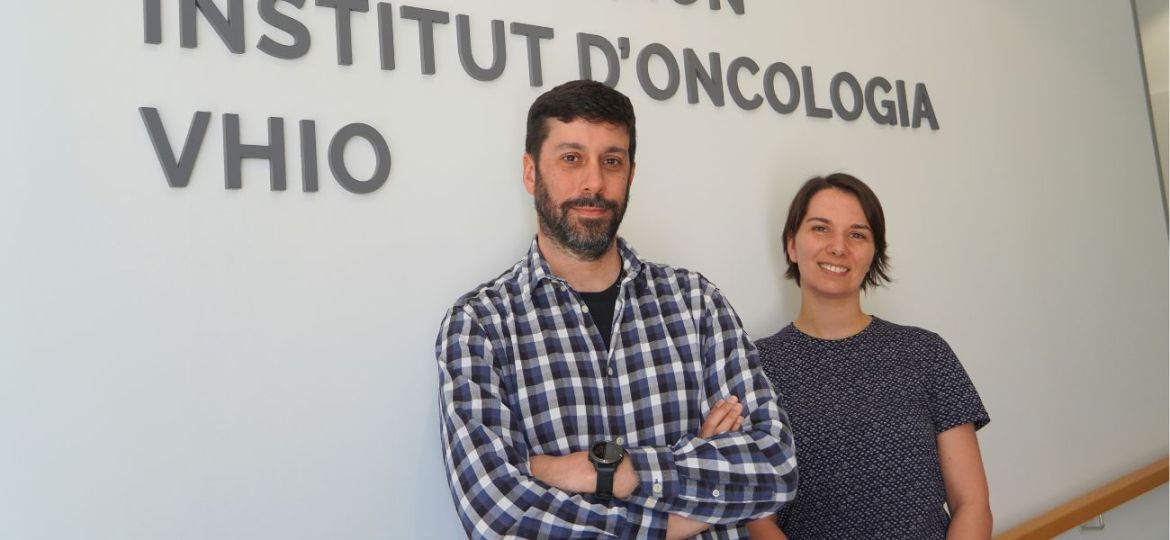
- Investigators from VHIO, which is part of the Vall Hebron Campus, publish the first study to address the impact of the exposome on early-onset colorectal cancer through epigenetic signatures.
- The researchers compared epigenetic methylation marks in patients with early-onset colorectal cancer with those of patients with late-onset colorectal cancer and confirmed previously identified risk factors including diet, education level, and smoking.
- They have now identified exposure to picloram, a widely used herbicide, as a new risk factor associated with the development of colorectal cancer in individuals younger than 50 years old. Using population data, the investigators report that US counties with a higher use of this pesticide have higher rates of early-onset colorectal cancer, even after accounting for socioeconomic factors and the use of other pesticides.
- Published today in Nature Medicine, this research has been possible thanks to the funding received from the “la Caixa” Foundation and the Spanish Association Against Cancer.
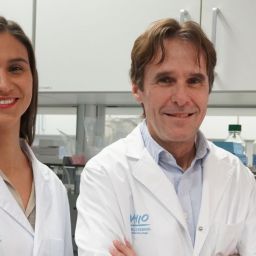
A study led by José A. Seoane, Head of the VHIO’s Cancer Computational Biology Group identifies for the first time the exposome footprint—the set of environmental and lifestyle exposures—in colorectal cancer in patients under 50 years of age through epigenetic signatures. By comparatively analyzing DNA methylation patterns in patients under and over 50, the work, published today in the journal Nature Medicine*, confirms the influence of factors such as diet, education level, and smoking.
Colorectal cancer (CRC) is the third most common cancer worldwide, the second leading cause of cancer-related deaths globally, with an incidence and mortality that steadily increase with age. While an estimated 90% of worldwide cases and deaths occur in individuals over 50 years old, in recent years, a disproportionate increase in the incidence of early-onset CRC (EOCRC), generally defined as CRC diagnosed in people younger than 50 years of age, has been observed. In the United States, early-onset colorectal cancer (EOCRC) is already the leading cause of cancer-related death in men under 50 and the second in women under 50.
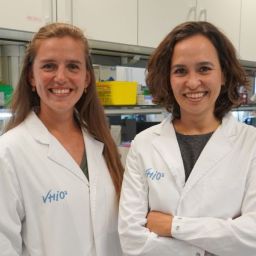
“Colorectal cancer in patients under fifty years of age presents particular clinical and pathological characteristics. However, at the genomic level, the molecular alterations are similar, and no specific alterations have been identified,” explained Elena Élez, Had of the Digestive Tumors Unit at the Vall d’Hebron University Hospital and VHIO’s Gastrointestinal Tract Tumors Group. “Therefore, the causes for rising early-onset colorectal cancer remain unclear, said Iosune Baraibar, a Clinical Investigator of VHIO’s Gastrointestinal Tract Tumors Group.
The exposome influence in EOCRC
Emerging hypotheses suggest that changes in lifestyle and environmental exposures, collectively known as the exposome, could play a key role. However, efforts to identify modifiable risk factors specific to EOCRC have had limited success. Most studies compare EOCRC cases with controls of the same age and describe the same risk factors as those for late-onset colorectal cancer.
Risk factors that have been identified previously in epidemiological studies include smoking, diet, and the microbiome. However, results have been limited, in part because environmental exposures across the lifespan have not always been accurately measured, making it difficult to clearly link them to cancer risk. Recent studies have however identified specific changes in DNA methylation caused by these exposures, opening new avenues for better understanding the disease.
What are epigenetic marks?
Epigenetics is a system that activates or deactivates genes without altering the underlying DNA sequence. One example is DNA methylation, when small chemical marks attach directly to DNA.
“If we imagine the genome as a book, epigenetic marks don’t change the text but function like post-its or markers that indicate which chapters should be read and which should be skipped,” explained José A. Seoane. “Furthermore, these post-its can be added or removed depending on the environment and lifestyle—diet, stress, or exposure to toxins—influencing how the same book is interpreted over time.”
“In this study, we set out to explore the components of the exposome that might contribute to the development of colorectal cancer in young people compared to colorectal cancer diagnosed at older ages, using epigenetic markers.”
To this end, the investigators constructed risk scores based on epigenetic DNA marks (methylation) that reflect exposure to factors such as lifestyle and the environment. To do so, they used DNA methylation data from The Cancer Genome Atlas (TCGA) and confirmed the results in nine other independent groups of patients.
They compared these methylation risk scores between early-onset and late-onset colorectal cancer cases.
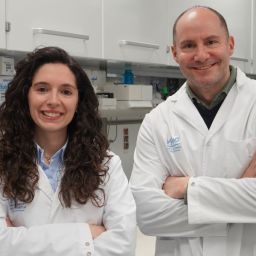
“In this analysis, we observed significant differences in epigenetic signatures associated with diet, tobacco, and pesticide exposure,” said Silvana Maas, a Postdoctoral Investigator of Seoane’s group and first author of this study. “Among the pesticides, a very clear correlation signal stood out between exposure to the pesticide picloram and early-onset colorectal cancer.”
The researchers studied this correlation in population-based databases in the National Cancer Institute’s (NCI) Surveillance, Epidemiology, and End Results (SEER) Program registries, and pesticide use data from the USGS Pesticide National Synthesis Project (USGC) by counties in the United States and observed that the incidence of early-onset colorectal cancer was significantly associated with picloram use, even after adjusting for sociodemographic factors and exposure to other pesticides.
Picloram has been used as a herbicide since the mid-1960s. Individuals currently diagnosed with LOCRC had therefore not been exposed to it during their childhood, while early-onset cases have been exposed to it for a longer part of their lives, which could explain the differences in cancer development.
Could exposure to the herbicide picloram explain the onset of tumor development?
“Given such a clear signal, we decided to analyze the molecular characteristics of the tumors exposed to picloram in more detail,” explained Jose A. Seoane. “We observed that tumors with high exposure to the pesticide had fewer mutations in the APC gene, a key gene in colorectal cancer that regulates the Wnt pathway, which is related to cell growth. This suggests that exposure to picloram could promote cancer development even without mutations in the APC gene.”
“Further research will be necessary to confirm whether exposure to picloram is indeed behind early-onset colorectal cancer development,” he added.
The main takeaway from this study is that epigenetics, specifically methylation, can be used as a tool to measure environmental exposure in tissues. Using this approach, the researchers have been able to identify factors already associated with EOCRC, such as diet and smoking, and have also detected a new potential risk factor: the pesticide picloram, which is closely linked to this type of cancer.
“In conclusion, our findings not only provide exposome traits based on epigenetic fingerprints that could be contributing to the development of CRC, specifically in EOCRC, but also lay a solid foundation for addressing environmental exposures and lifestyle-related factors to reduce EOCRC risk, highlighting the importance of promoting preventive interventions at both the individual and public policy levels,” concluded Seoane.
Led by VHIO’s Cancer Computational Group, this research has been possible thanks to the funding received from the “la Caixa” Foundation and the Spanish Association Against Cancer (AECC).
###
Reference:
*Maas, S. C. E., Baraibar, I., Lemler, L., Butjosa-Espín, M., Blanco Irazuegui, O., Tabernero, J., Elez, E., & Seoane, J. A. Epigenetic fingerprints link early-onset colon and rectal cancer to pesticide exposure. Nat Medicine 2026 Apr 21st, doi: