

Today, March 31, marks World Colorectal Cancer Day, an occasion to raise awareness about one of the most common cancers worldwide and to highlight the fundamental role of research in developing new treatments and early diagnostic strategies.
According to the report Las cifras del cáncer en España 2026 by SEOM, colorectal cancer remains one of the most common tumors in Spain, with more than 40,000 new cases annually. Despite advances in screening and treatment, its high incidence and the increase in cases among younger populations underscore the need to continue promoting prevention and research into new therapeutic strategies.
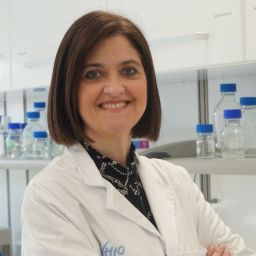
At the Vall d’Hebron Institute of Oncology (VHIO), clinical and translational researchers are working to improve the biological understanding of this disease and translate scientific discoveries into clinical practice. In this context, the VHIO Gastrointestinal Tract Tumors Group, led by Dr. Elena Élez, plays a key role in developing new therapeutic strategies and biomarkers to advance toward increasingly personalized oncology.
New therapeutic strategies for patients with metastatic colorectal cancer
One of the most notable recent advances is the development of new targeted combination therapies for patients with metastatic colorectal cancer, based on the molecular characteristics of the tumor.
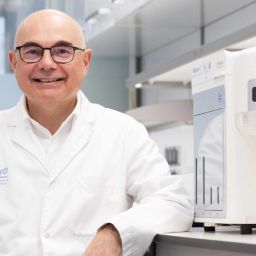
The international BREAKWATER clinical trial, co-led globally by Dr. Josep Tabernero, Head of the Medical Oncology Department at Vall d’Hebron University Hospital and Director of VHIO, evaluated a targeted combination including encorafenib and cetuximab together with chemotherapy (mFOLFOX6) in patients with metastatic colorectal cancer harboring the BRAF V600E mutation. Results presented at the latest American Society of Clinical Oncology (ASCO2025) Annual Meeting and published in The New England Journal of Medicine by Dr. Elena Élez, principal investigator of the trial at Vall d’Hebron, show that this first-line combination doubles survival in patients with this subtype of metastatic colorectal cancer and could represent a new standard of care.
BRAF V600E mutations, present in approximately 8–12% of metastatic colorectal cancers, are associated with poorer prognosis, making the development of targeted therapies against this alteration a significant advance for these patients.
Advances in immunotherapy and precision medicine
Another research line driven by VHIO focuses on optimizing the use of immunotherapy in specific subgroups of patients with metastatic colorectal cancer.
Researchers from the VHIO Gastrointestinal Tumors Group have participated in several international studies such as the CheckMate-8HW clinical trial, whose results, also published in The New England Journal of Medicine, show that combining two immunotherapy agents in first-line can improve clinical outcomes compared to a single agent in patients with microsatellite instability-high (MSI-H/dMMR) tumors.
These findings reinforce the role of precision medicine, which enables treatment selection based on the tumor’s genomic characteristics and increases the likelihood of therapeutic response.
New drugs and biomarkers under development
Beyond clinical trials, the VHIO Gastrointestinal Tumors Group, in collaboration with various biomedical research groups at the institute, is advancing translational research projects aimed at identifying new biomarkers and mechanisms of treatment resistance, with the goal of improving therapeutic selection and developing new strategies for patients with advanced disease.
Research to transform the future of colorectal cancer
At VHIO, clinical and translational researchers work in a coordinated manner to improve the understanding of colorectal cancer and translate scientific advances into clinical practice. This effort is structured through multidisciplinary task forces, bringing together oncologists, biomedical researchers, bioinformatics specialists, nursing professionals, and other key profiles to address the disease from a comprehensive perspective.
This collaborative model accelerates the development of new therapeutic strategies and biomarkers, fostering more effective precision oncology tailored to each patient’s characteristics.
At the same time, the rise in colorectal cancer among individuals under 50 is a growing concern, a trend also observed in Spain. In this context, research is not only focused on developing new treatments but also on prevention. The study of the exposome, including computational analysis of large epidemiological datasets, will help identify potential risk factors associated with this increase. Generating robust evidence in this area will be key to driving new public policies aimed at prevention and early diagnosis, particularly in younger populations.