

Coinciding with World Kidney Cancer Day, on 20 June La Colla Vella dels Xiquets de Valls organised a moving event in memory of Pau de Magrinyà, who died from renal cancer in 2025, with the aim of raising awareness of this disease and supporting research.
La Colla Vella dels Xiquets de Valls is one of the oldest casteller groups in Catalonia. It was founded in 1791 in Valls, the cradle of castellers.
Pau de Magrinyà, better known as “Pau de Vilallonga”, was a casteller much loved by the group. He was highly appreciated both in Valls and Vilallonga del Camp. He had been part of the colla since 2003, where he played a major role. He was a regular casteller in all the major castles over the last twenty years.
His family and friends, wishing to pay tribute to him and transform their loss into a gesture of solidarity, promoted the creation of special La Colla Vella T-shirts with a drawing of his profile on the back and the phrase “Pel que convigui”, a quote the casteller often used.

The sale of the T-shirts made it possible to raise funds that will go directly to renal cancer research carried out at the Vall d’Hebron Institute of Oncology (VHIO).
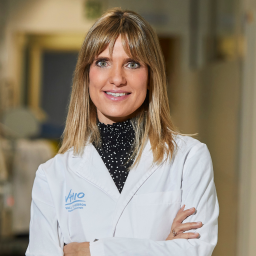
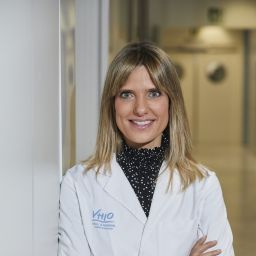
For this reason, Dr Cristina Suárez, Head of the Genitourinary Tumours (non-prostate), Central Nervous System (CNS), Sarcomas and Tumours of Unknown Primary Group at VHIO, together with oncologists and researchers from the group, attended the tribute event to receive the cheque for 5.760€, which will be allocated specifically to the renal cancer research project RCC-VIGEX.
Dr Cristina Suárez explains: “It is very moving to see that Pau was so loved and that you are donating to us. From the group, we want to continue researching how to better treat patients with renal cancer. This donation will help us understand which patients may benefit from specific treatments.”

RCC-VIGEX PROJECT
The RCC-VIGEX project aims to advance towards more personalised medicine for patients with metastatic renal cancer. The study will validate the predictive value of the VIGEX-RCC gene expression signature in people with this type of tumour treated with immunotherapy-based combinations in the first line.
This project uses the VIGEX platform developed by the genomics laboratory at VHIO to classify solid tumours according to the inflammatory status of the tumour microenvironment. This will predict whether they will benefit from immunotherapy.
Renal cell carcinoma
Renal cell carcinoma (RCC) represents approximately 3% of all cancers in adults and is the most common form of renal cancer.
Currently, immunotherapy and anti-angiogenic drugs have significantly improved clinical outcomes. Despite this, not everyone responds to treatments, and, in some cases, significant adverse effects may appear.
For this reason, Dr David Marmolejo, project leader, oncologist and researcher in the Genitourinary Tumours (non-prostate), Central Nervous System (CNS), Sarcomas and Tumours of Unknown Primary Group at VHIO, explains:
“We want to analyse tumour samples and clinical data from patients treated with these therapeutic combinations to identify molecular characteristics associated with a better response. Specifically, the study will focus on the RCC-VIGEX signature, a tool that allows tumours to be classified according to their biological profile.”
The aim is to identify biomarkers that help predict which patients will benefit from each treatment from diagnosis.
The results may contribute to optimising clinical decision-making, reducing unnecessary toxicities and improving treatment efficacy, thus advancing towards more effective precision oncology in renal cancer.
From the Vall d’Hebron Institute of Oncology (VHIO) and the Genitourinary Tumours (non-prostate), Central Nervous System (CNS), Sarcomas and Tumours of Unknown Primary Group, we would once again like to thank La Colla Vella dels Xiquets de Valls for their solidarity and generosity, which will make it possible to continue moving forward with this research project to find new therapeutic alternatives for patients suffering from this disease.
Thank you for your support!