
The new school year begins, bringing the return of VHIO’s longest-running science outreach programme. Escola i Ciència welcomes schools from different educational stages to spend a few hours in direct contact with cancer research, meet its professionals and discover the spaces and tools they work with.
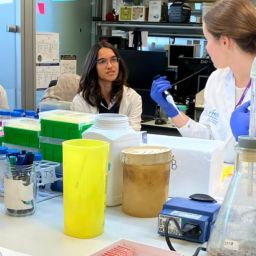
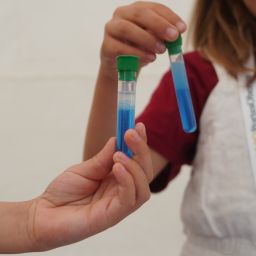
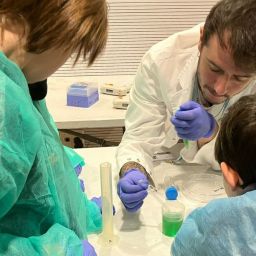
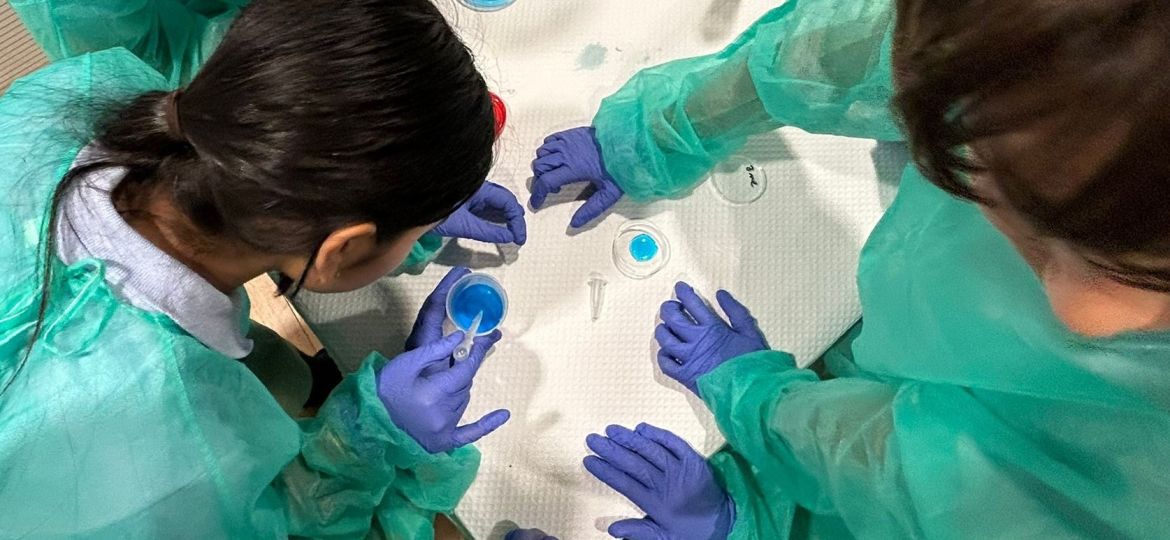
The programme adapts its activities to the ages and interests of each group. For students in the final year of primary school and the first year of secondary school, visits combine an interactive quiz-based talk, a guided tour of VHIO’s key spaces and practical workshops. Using microscopes, pipettes, measuring cylinders and other laboratory equipment, researchers introduce them to some of the techniques they use in their daily work.
Visits for upper secondary school students offer a closer look at the career paths and work of different professionals at the centre. Through their personal experiences, they share their projects, the questions guiding their research, and the decisions and lessons that have brought them to where they are today.
For students on higher vocational training programmes, talks and tours involve professionals who have completed the same studies. This allows students to explore potential careers in biomedical research with people who share their starting point.
The programme also adapts its activities for groups studying science degrees at university, special education schools and summer camps. In every case, the aim is the same: to bring cancer research closer, spark scientific curiosity and show who makes it possible and how they work.
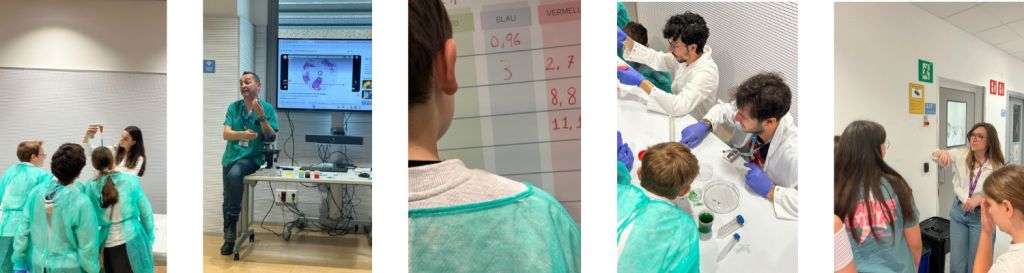
A long-standing commitment to science outreach
Since 2017, Escola i Ciència has welcomed more than 2,700 students from over 30 educational centres in different municipalities across Catalonia.
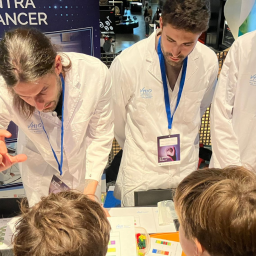
Each year, dozens of VHIO professionals dedicate a few hours of their working day to sharing their knowledge and passion for science with future generations. They explain how cancer works, what questions they are trying to answer and which tools they use to do so. Their participation also provides relatable, real-life role models whose varied career paths help show that there are many ways to work in research, all of them important for advancing our understanding of cancer and its potential solutions.
This school year, VHIO has already welcomed its first groups and expects visits from more than 15 educational centres across different stages. The aim is for students to leave with a fuller understanding of cancer biology and how it is researched, have their questions answered and reconsider some preconceived ideas. And, in some cases, for this experience to spark an interest in science and a desire to be part of it in the future.