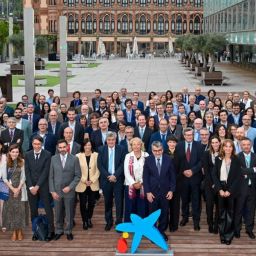


Pharmaceutical company Gilead held the award ceremony for the 11th and 12th editions of the Gilead Biomedical Research Grants this Wednesday at the Carlos III Health Institute, recognizing a total of 36 projects in HIV, hemato-oncology and medical oncology, as well as COVID-19 and Hepatitis Delta.
The Gilead Biomedical Research Grants were created with the aim of supporting research and promoting the expertise and talent of Spanish scientists in areas where significant unmet medical needs still remain.
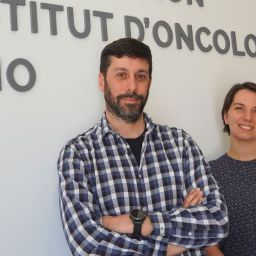
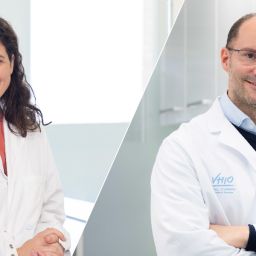
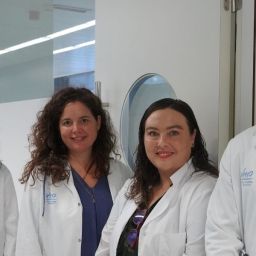
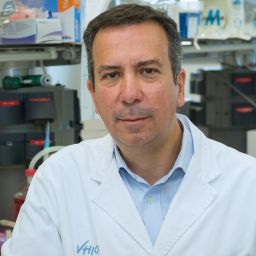
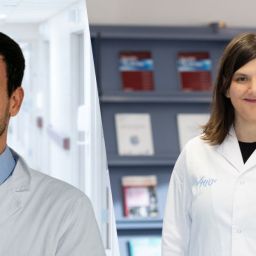
Dr. María Vieito, medical oncologist at Vall d’Hebron University Hospital and researcher in the Genitourinary Tumors (excluding prostate), Central Nervous System, Sarcoma and Cancer of Unknown Primary Group, as well as the Cancer Molecular Therapy Research Unit (UITM-CaixaResearch) at VHIO, has received one of the Gilead grants in Medical Oncology for the project: “Characterization of the intestinal and tumor microbiome as a prognostic biomarker in patients with brain tumors”.
The aim of this project, which will be carried out in collaboration with Dr. Paolo Nuciforo, Head of the Molecular Oncology Group at VHIO, is to study how bacteria living in our bodies, especially in the gut and within tumors themselves, may influence the development and progression of brain tumors.
In recent years, science has discovered that the gut microbiota not only plays a role in digestive processes, but also influences the immune system and the body’s response to cancer. In addition, recent studies have detected bacteria within brain tumor tissue itself, where they may promote cancer cell survival and make treatments less effective.
The project, led by Dr. Vieito, aims to analyze and compare the intestinal and tumor microbiota of patients with brain tumors with that of healthy individuals, with the goal of identifying microorganisms associated with the disease and determining whether certain bacterial profiles are linked to better or worse responses to treatments such as chemotherapy, radiotherapy or immunotherapy.
“One of the most innovative aspects of the project is that, unlike genetic alterations, the microbiota can be modified through diet, lifestyle habits or specific therapies,” explains Dr. Vieito. “This opens the door to developing new and more effective therapeutic strategies against brain tumors and reducing therapeutic resistance, thus advancing a more personalized approach in neuro-oncology, where the microbiota could be used both to predict patient outcomes and to develop future therapeutic strategies aimed at improving prognosis.”
BETTER UNDERSTANDING LIVER METASTASES IN COLORECTAL CANCER
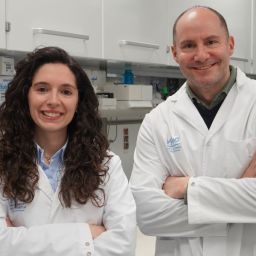
During the ceremony, the Gilead grants from last year’s call were also awarded. In this context, Dr. Elena Élez, Head of the Gastrointestinal Tumors Unit at Vall d’Hebron University Hospital and of the Gastrointestinal Tumors Group at VHIO, received one of these grants to develop the COHET project (Identification and Analysis of Hepatic Transcriptional Regulators in Liver Metastasis of Colorectal Cancer).
This project aims to better understand why colorectal cancer has a strong tendency to spread to the liver, one of the main clinical challenges associated with this disease. Although liver metastases are very common, little is still known about the biological mechanisms that allow cancer cells to adapt to the liver environment and grow there.
The research team will analyze patient samples using advanced single-cell sequencing technologies that make it possible to study the behavior of thousands of individual cells. The goal is to identify new biological regulators involved in liver metastases and generate knowledge that could eventually help develop more precise and effective treatments for patients with metastatic colorectal cancer.
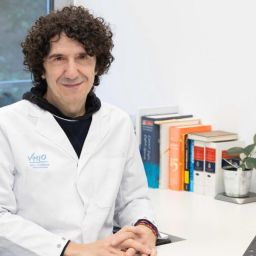
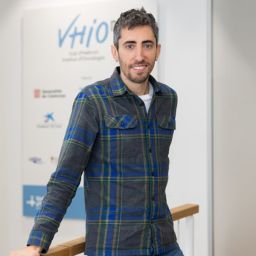
COHET is part of a translational research project led by Dr. Francisco Martínez Jiménez, Head of the Computational Immunogenomics Group at VHIO, which aims to unravel the cellular mechanisms behind liver metastases across different tumor types in order to identify new therapeutic targets and develop new precision medicine strategies for patients whose tumors frequently metastasize to the liver.
The selection of the awarded projects was carried out by the Carlos III Health Institute (ISCIII) through its network of international reviewers, ensuring the independence and transparency of the program. The initiative also had the collaboration and support of leading scientific societies, including the Spanish Association for the Study of the Liver (AEEH), the AIDS Study Group (GeSIDA), the Spanish Society of Medical Oncology (SEOM), and the Spanish Society of Hematology and Hemotherapy (SEHH).